
Titus France
The company was founded in Paris, France in 1985 by Hervé Caen and Eric Caen. It quickly grew into one of Europe's leading multi-platform software developers and publishers. The company's mascot is Titus, the title character of the video game.
Titus France at a Glance
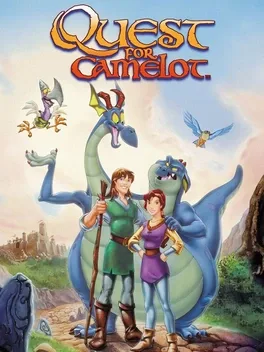
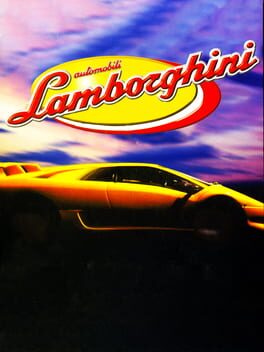
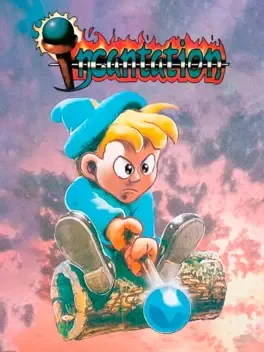
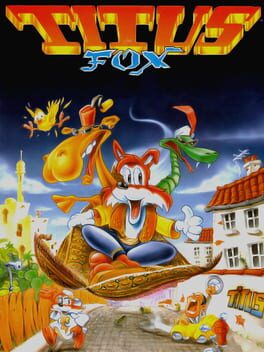
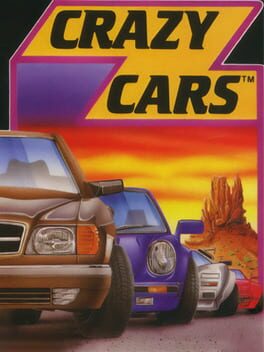
Titus France started operations in Paris in 1985 before releasing its first titles in 1987. The company remained active until 2001, covering releases across three decades with a clear shift in output volume. They published seven games during the 1980s and increased production to twelve titles in the 1990s. Output slowed significantly in the new millennium, with only two games released between 2000 and 2001. Their catalog on PlayPile contains 21 entries, though they are listed as a developer on 15 of them and a publisher on 18. This French studio focused heavily on older hardware, releasing the majority of its library for DOS, Amiga, and Atari ST/STE systems. They also supported platforms like the Amstrad CPC, Commodore 64, ZX Spectrum, and Super Nintendo Entertainment System. The company released only four games for Microsoft Windows and three for Mac, indicating a strong preference for the home computer market of the late 80s and early 90s. Genre-wise, racing games were their primary focus with eight releases, followed closely by seven arcade titles and six platformers. They also ventured into shooters, adventure games, and simulators. The quality of their work varies considerably across their history. The average IGDB rating for their six rated titles sits at 60.4 out of 100. Their best-rated game is Titus the Fox: To Marrakech and Back from 1992, which holds a score of 76.8. The Blues Brothers (1991) is another notable title with a score of 70.7. However, the majority of their rated games fall into the mixed category. Incantation scored exactly 60, while Crazy Cars from their debut year received 59.8. Later releases struggled more, with Quest for Camelot scoring just 44.7 and Automobili Lamborghini receiving a 50.5. Their mascot, Titus the Fox, appears in the title of their most successful game, but this character does not appear to have saved their later projects from lower reception scores.
Genre Breakdown
Platform Spread
Release Timeline
Rating Distribution
Highest Rated Titles

RoboCop
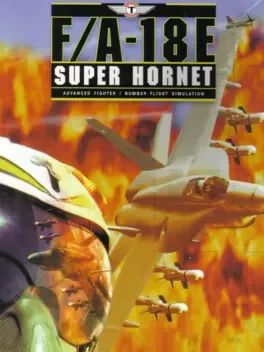
F/A-18E Super Hornet
 4.5
4.5Quest for Camelot
Super Speed Race 64
 5.1
5.1Automobili Lamborghini
 6.0
6.0Incantation

The Morlov Affair
Virtual Chess
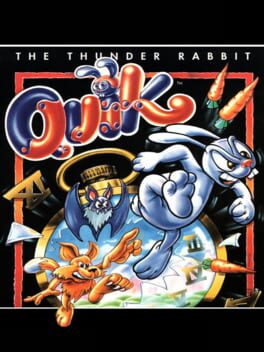
Quik: The Thunder Rabbit
 7.7
7.7Titus the Fox: To Marrakech and Back
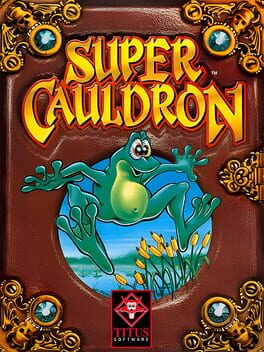
Super Cauldron
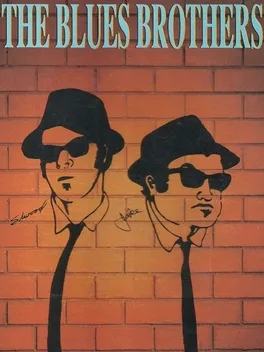 7.1
7.1The Blues Brothers
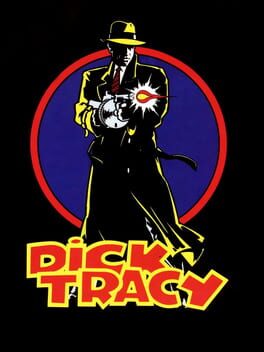
Dick Tracy
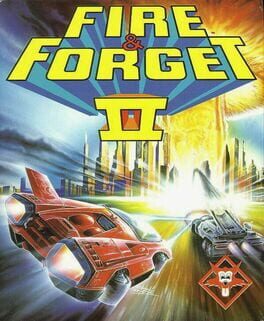
Fire and Forget 2: The Death Convoy
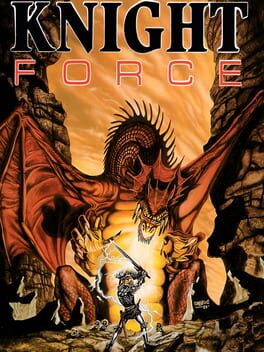
Knight Force
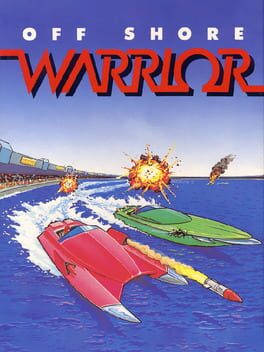
Off Shore Warrior
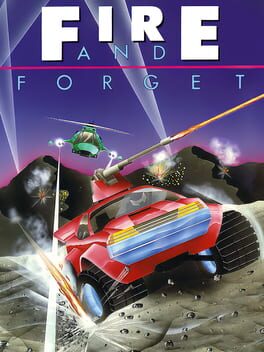
Fire and Forget
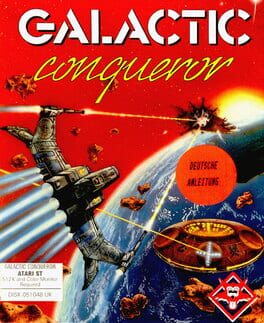
Galactic Conqueror
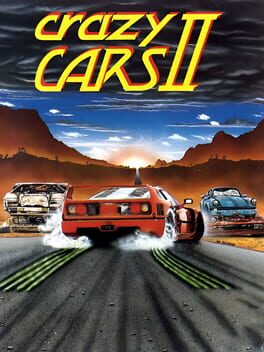
Crazy Cars II
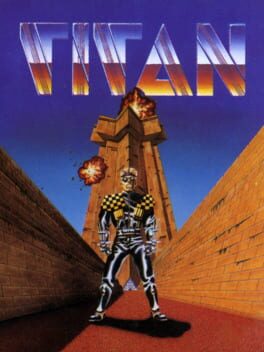
Titan
 6.0
6.0