Tomcat System
Tomcat System used to be a Japanese game developer settled in Meguro City, Tokyo, Japan. They were known for graphic novels and puzzle games. After 2016 all activity relative to this developer's social media and website ceased.
Tomcat System at a Glance
Tomcat System was a Japanese developer based in Meguro City, Tokyo that operated from 1992 until 2009. They created twenty-five games on PlayPile but never published any titles under their own name. The company released seven games during the 1990s and increased its output to eighteen titles in the 2000s before ceasing all activity after 2016. Their website and social media channels stopped functioning following that year. The studio focused heavily on the PlayStation family of systems, with seven games on the PlayStation 2, five on the original PlayStation, and another five for the PlayStation Portable. They also released four titles for the Super Famicom and four for the PlayStation 3. Smaller portions of their catalog appeared on platforms like the Nintendo DS, WonderSwan Color, Wii, TurboGrafx-16/PC Engine, and WonderSwan. Adventure games made up the largest portion of their library with six releases, followed by four visual novels, four card and board games, and four simulator titles. Puzzle games accounted for three entries while sport, arcade, point-and-click, strategy, and racing titles rounded out the rest. Their later work often involved budget lines such as the Simple DS Series and Simple 2500 Series Portable. Recent releases included The Suiri Shinshou in March 2009, Galileo in October 2008, and Reijou Tantei: Office Love Jikenbo in July 2008. The IGDB bio describes Tomcat System as known for graphic novels and puzzle games, which aligns with their catalog distribution. The company maintained a steady presence in the Japanese market for nearly two decades before disappearing from the industry. Their focus shifted toward handheld platforms like the PSP and DS during the 2000s while they continued to produce niche genres. There is no data regarding critical reception or user ratings for these titles, so the quality of their output remains unverified by this source.
Genre Breakdown
Platform Spread
Release Timeline
Latest & Upcoming





Simple DS Series Vol. 47: The Suiri Shinshou 2009
Galileo
Reijou Tantei: Office Love Jikenbo
Simple DS Series Vol. 15: The Kanshikikan 2 - Aratanaru 8-tsu no Jiken wo Touch seyo
Simple 2500 Series Portable Vol. 3: The Dokodemo Suiri - IT Tantei: Zen 68 no Jikenbo

Simple 2000 Series Vol.75: The Tokudane - Nippon Zenkoku Scoop Rettou

Simple 2000 Series Vol. 69: The Board Game Collection

Simple 2000 Series Vol. 43: The Saiban - Shinmai Shihoukan Momota Tsukasa no 10 no Saiban File

Radio Helicopter

Simple 1500 Series Vol. 91: The Gambler - Honoo no Tobaku Densetsu

Simple 2000 Series Vol.017: The Suiri Aratanaru 20 ni Jikenbo

Simple 1500 Series Vol. 82: The Sensuikan

One Piece: Niji no Shima Densetsu

Detective Conan: Yuugure no Ouju

Simple 2000 Series Vol. 67: The Suiri - Soshite Daremo Inakunatta

Simple 1500 Series Vol. 59: The Suiri - IT Tantei: 18 no Jikenbo

RC Helicopter
Detective Conan: Nishi no Meitantei Saidai no Kiki!?

Itadaki Street: Gorgeous King
Milandra
Kurukuru Twinkle: Onegai Ohoshisama
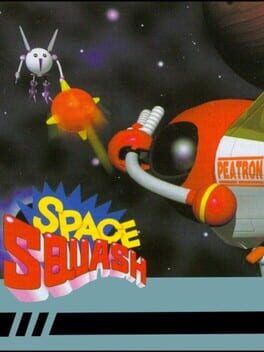
Space Squash
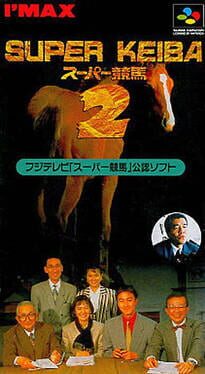
Super Keiba 2
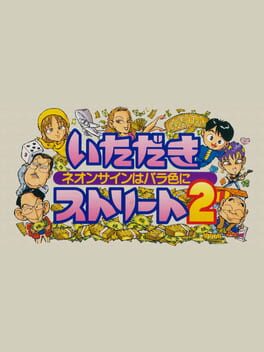
Itadaki Street 2: Neon Sign ha Bara Iro ni

Sanrio World Smash Ball!