United Game Artists
United Game Artists was a development subsidiary of Sega created with members from an in-house Division. After developing 3 game It was merged with another subsidiary, Sonic Team, in 2003. Soon after this change the company president, Tetsuya Mizuguchi, and other United Game Artists staff left Sega to form their own company, Q Entertainment. Sonic Team was later reorganized back into an internal Sega R&D Division structure after Sega's merger with Sammy in 2004.
United Game Artists at a Glance
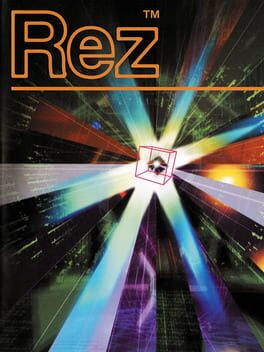
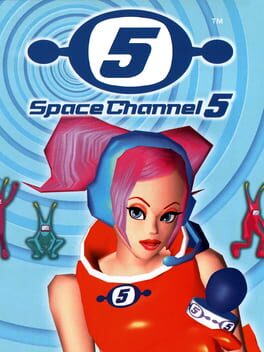
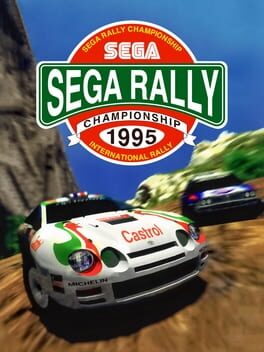
If you are browsing PlayPile looking for a studio that defined the early 2000s rhythm game scene, United Game Artists is worth noting despite its short lifespan. This Japanese developer was established in 2000 as a subsidiary of Sega, though their work actually began in 1994 while still part of an internal division. They released 13 games total during their active years from 1994 to 2002 before merging with Sonic Team in 2003. The group produced very few titles for the market, with all 13 credits listed as developer work and none as publisher. Their output was heavily concentrated in the 2000s decade, where they released 11 games compared to just two in the 1990s. Their catalog shows a clear preference for music and arcade titles. Music genres account for seven of their projects, followed by four arcade games and three puzzle games. They also touched racing with two entries and dabbled in adventure, shooter, sport, and platform categories with one title each. Platform support was vast but often leaned toward legacy hardware. Nine of their games appeared on Legacy Mobile Devices, while PlayStation 2 carried four titles and the Dreamcast hosted three. They also released games for PC, Arcade cabinets, Sega Saturn, N-Gage, PlayStation 3, Xbox 360, and Linux. Quality trends for United Game Artists are generally positive based on the four rated titles available on PlayPile. The average score sits at 74.3 out of 100. One title achieved a great rating of 80 or higher, while three others landed in the good range between 60 and 79. There were no mixed or poor ratings among these samples. Their highest rated work is Rez from 2001, which holds an 87/100 score. Space Channel 5: Part 2 followed with a 77.8 rating in 2002, and the original Space Channel 5 from 1999 earned a 70.5. Sega Rally Championship from 1994 scored 61.7. Recent releases in late 2002 included Gosaku ga Horu Mon 2 and Space Channel 5 Game App, showing they remained active until the end of their run. After the merger with Sonic Team in 2003, key staff including president Tetsuya Mizuguchi left Sega to found Q Entertainment. The remaining structure eventually reorganized into an internal R&D division following the Sega and Sammy merger in 2004. Their legacy remains tied to that specific window of time when they pushed music games on multiple platforms before dissolving as a distinct entity.
Genre Breakdown
Platform Spread
Release Timeline
Rating Distribution
Highest Rated Titles
Gosaku ga Horu Mon 2: Yoru no Jugyou Sankan Hen
Gosaku ga Horu Mon
Space Channel 5 Game App
 7.8
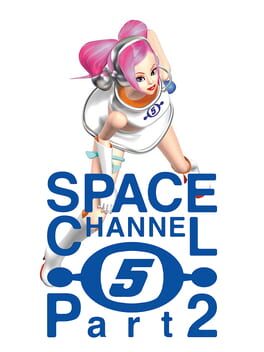
7.8Space Channel 5: Part 2
Puzzle da Moro!
Lucky Morolian

Strawberry Sweet Pop
 84
84Rez
Spebo
 4.0
4.0Omoshiroi Moro
Tapioka Panic
 7.1
7.1Space Channel 5
 6.2
6.2