Yumekobo
Yumekobo (夢工房), previously named Aicom (エイコム), was a video game development studio formed with former members of Sammy. Their studio expanded when employees from Takara and Tomy joined their ranks. The company officially dissolved after SNK's bankruptcy though some staff members went on to work at SNK-Playmore.
Yumekobo at a Glance
Yumekobo, formerly known as Aicom, was a Japanese developer founded in 1998 with roots in former Sammy staff and later expanded by employees from Takara and Tomy. The company operated until the bankruptcy of SNK, though some members eventually found work at SNK-Playmore. On PlayPile, you will find ten titles linked to this studio, with seven listed as games they developed and four where they served as publisher. Their output was heavily concentrated in the 1990s, accounting for eight of their releases. Only one game appeared in the 2000s and another single title arrived in the 2020s. The studio worked across a wide variety of genres but showed a clear preference for Adventure, Puzzle, Role-playing, Simulator, and Sport categories, each containing three or two titles respectively. Other genres like Shooter, Arcade, Indie, Strategy, and Fighting appear only once in their catalog. Platform support was equally diverse, though they focused heavily on handheld hardware. Five games were released for the Neo Geo Pocket Color, while other platforms like PC, PlayStation Portable, and PlayStation 3 received just two releases each. Smaller ports appeared on Linux, Mac, Android, iOS, and the original Neo Geo Pocket. Their reputation on PlayPile rests on a single rated game, Blazing Star from 1998, which holds an average score of 70.6 out of 100. This rating falls into the good category between 60 and 79, with no titles reaching the great threshold or dropping into mixed or poor ranges. Recent activity includes Ame ni Negaeba: Wishin' in the Rain released in May 2024, though many older titles like Biomotor Unitron and Kikou Seiki Unitron date back to the turn of the millennium. The data shows a company that was active for over two decades but produced very few games in recent years. While their genre selection suggests a broad capability, the limited number of available ratings makes it difficult to gauge consistent quality beyond that single good score.
Genre Breakdown
Platform Spread
Release Timeline
Rating Distribution
Highest Rated Titles
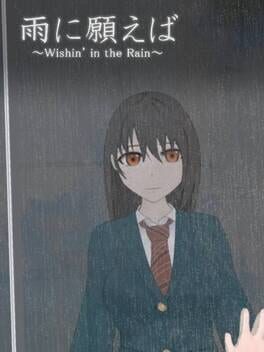
Ame ni Negaeba: Wishin' in the Rain
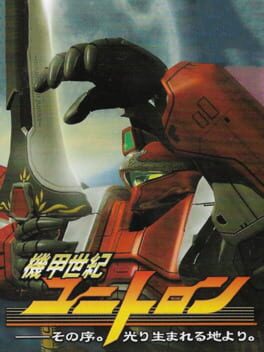
Kikou Seiki Unitron
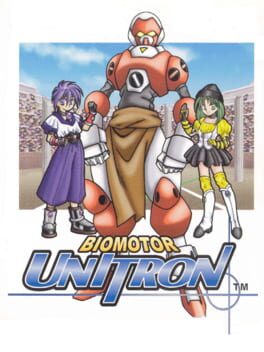
Biomotor Unitron
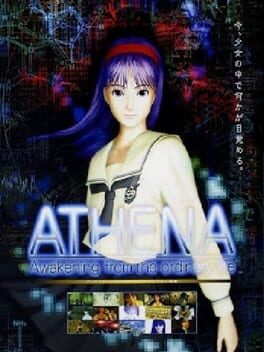
Athena: Awakening from the Ordinary Life
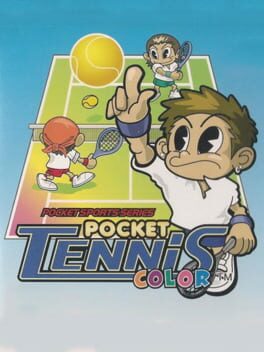
Pocket Tennis Color
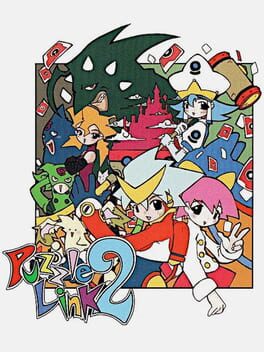
Puzzle Link 2

The King of Fighters: Kyo
 7.1
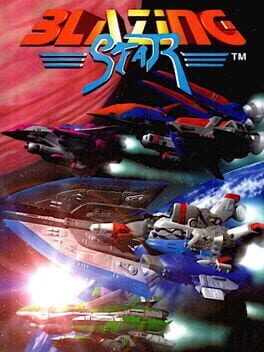
7.1Blazing Star
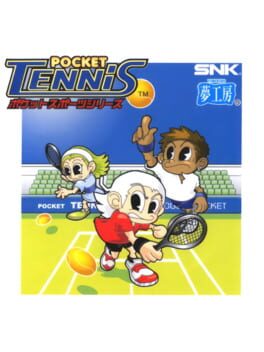
Pocket Tennis