Indie Gamers Share How to Fix Lag in Games
I'll never forget the time I spent hours exploring the vast world of The Legend of Zelda: A Link to the Past, only to be brought back down to earth by frustrating lag spikes. It's a problem that ca...
Indie game enthusiast and pixel art admirer. I play everything so you don't have to — but you'll want to after reading my picks.
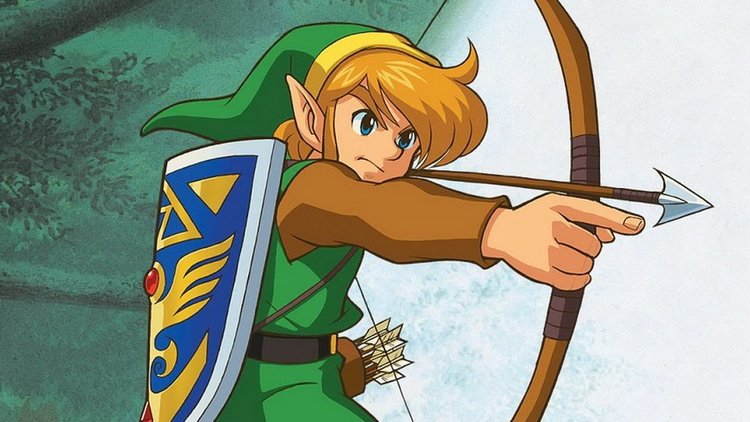
I'll never forget the time I spent hours exploring the vast world of The Legend of Zelda: A Link to the Past, only to be brought back down to earth by frustrating lag spikes. It's a problem that can ruin an otherwise great gaming experience, but fortunately, there are ways to fix it. In this article, we'll explore some common symptoms of lag in games and provide solutions on how to fix lag in games.
Choppy Gameplay: How to Fix Lag in Games

The Legend of Zelda: A Link to the Past
Nintendo EAD · Nintendo
Dec 2, 2002
The Game Boy Advance port of A Link to the Past has some small design differences with the original version, like Link's voice and an additional qu…
One of the most noticeable symptoms of lag is choppy gameplay. This can manifest as stuttering, freezing, or slow frame rates. If you're experiencing this issue, there are a few things you can try. First, check your graphics settings. If you're running the game at high graphics settings, try reducing the resolution or turning off some of the more demanding features.
For example, in The Legend of Zelda: A Link to the Past, reducing the graphics settings can help improve performance. You can also try closing any other resource-intensive programs or background applications to free up system resources.

Update Your Graphics Drivers
Outdated graphics drivers can cause a range of problems, including lag. Make sure you're running the latest drivers for your graphics card. You can usually find updates on the manufacturer's website.
Delayed Input: Troubleshooting Lag
Another symptom of lag is delayed input. This can be particularly frustrating in fast-paced games that require quick reflexes. If you're experiencing delayed input, try checking your controller settings. Make sure that your controller is properly configured and that there are no conflicts with other devices.
In Super Metroid, for example, precise control is crucial for navigating the game's challenging environments. If you're experiencing delayed input, it can throw off your entire experience. Try adjusting your controller settings or using a different controller to see if that resolves the issue.
Check for Resource-Intensive Programs
Other programs running in the background can consume system resources and cause lag. Check for any resource-intensive programs and close them if necessary.
Poor Frame Rates: Optimizing Performance
Poor frame rates can be another symptom of lag. If you're experiencing poor frame rates, try reducing the graphics settings or turning off features like anti-aliasing or motion blur. You can also try updating your graphics drivers or adjusting your monitor's refresh rate.
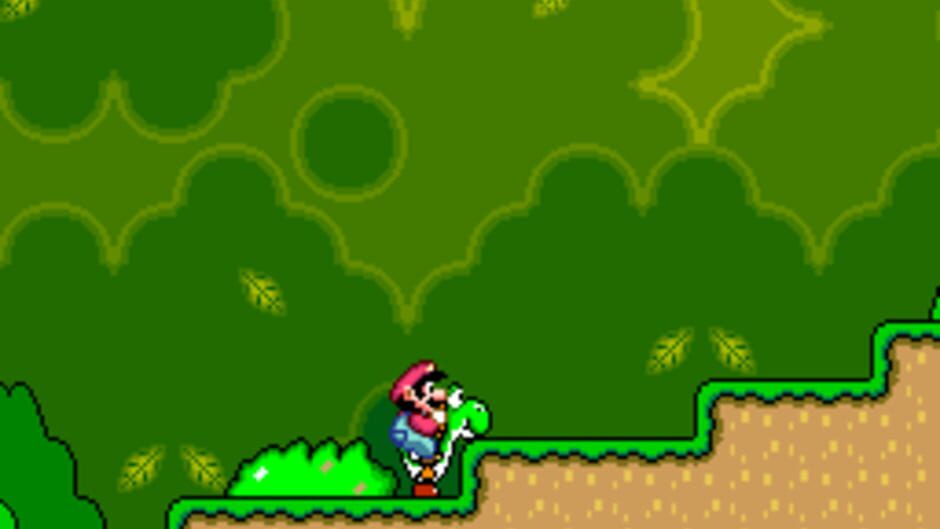
In Super Mario World, for example, maintaining a high frame rate is crucial for smooth gameplay. If you're experiencing poor frame rates, try adjusting your graphics settings or updating your graphics drivers.
Monitor Your System Resources
Keep an eye on your system resources to ensure that your computer is capable of handling the game. You can use tools like Task Manager or Resource Monitor to check your CPU, GPU, and RAM usage.
By following these tips, you can help reduce lag and improve your overall gaming experience. Whether you're playing a fast-paced shooter or a strategy game, a smooth and responsive experience is essential for enjoying your game to the fullest.
As we've seen, there are many potential causes of lag in games, and the solutions will vary depending on the specific issue. By troubleshooting the problem and adjusting your settings accordingly, you can help ensure a smooth and enjoyable gaming experience.