
5pb.
5pb., founded on April 6, 2005, by Chiyomaru Shikura after leaving Scitron, was a Japanese video game developer and record label divided into 5pb. Games for video game manufacturing and 5pb. Records for music production. In April 2011, 5pb. merged with other companies under parent company Mages Inc..
5pb. at a Glance
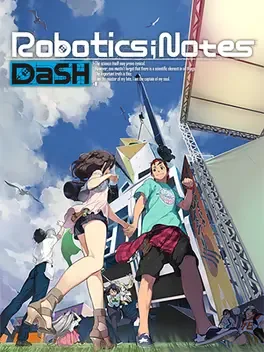
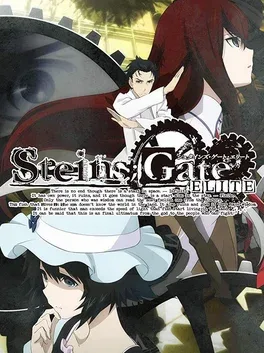
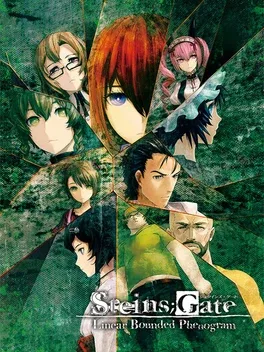
If you are browsing PlayPile to find more about 5pb., you will see a Japanese publisher active from 2003 through 2019. This company released 66 games on the site, with 53 titles where they acted as the publisher and 41 where they developed the game themselves. The bulk of their output arrived in the 2010s, accounting for 50 releases compared to just 15 in the 2000s. Their catalog leans heavily toward the visual novel genre with 53 entries, followed by adventure games at 45 titles. They also touched on role-playing, indie, and arcade categories but focused less on shooters or fighting games. Most of their work appeared on PlayStation consoles. The Vita saw 35 releases from them, while PC platforms hosted 26 titles. You will also find many games for the PlayStation 3, PlayStation 4, and PSP. Their rating history shows a generally positive trend among critics. Out of 24 rated titles, eight scored above 80 and fifteen fell between 60 and 79. There was only one game that landed in the mixed range, and none received poor scores. The top-rated entries are all from their visual novel lineup. Steins;Gate: Linear Bounded Phenogram reached 86.5 out of 100 in 2014. Steins;Gate Elite followed with 86.4 in 2016, and Steins;Gate 0 achieved 86.1 the year before. Phantom Breaker also scored well at 85, while Chaos;Child earned 84.6. The company changed structure during its run. They started as an independent entity founded by Chiyomaru Shikura in 2005 but merged with other firms under Mages Inc. in April 2011. This merger did not stop their output, which continued through the end of 2019. Recent releases like Robotics;Notes DaSH scored 70 and Operation Babel: New Tokyo Legacy hit 71, showing that while their top games remained high quality, later entries varied slightly in critical reception. Their portfolio remains distinct for its deep focus on narrative-driven experiences across multiple generations of Sony hardware.
Genre Breakdown
Platform Spread
Release Timeline
Rating Distribution
Highest Rated Titles

Steins;Gate Elite: Limited Edition
 7.0
7.0Robotics;Notes DaSH

8-Bit Adv Steins;Gate

Memories Off: Innocent Fille
 7.1
7.1Operation Babel: New Tokyo Legacy

Re:Zero - Starting Life in Another World: Death or Kiss

Chaos;Child Love Chu Chu!!
 7.0
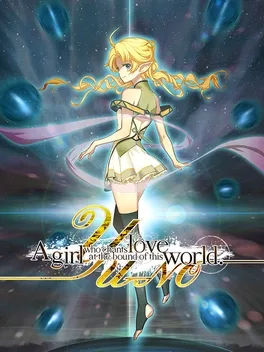
7.0Yu-No: A Girl Who Chants Love at the Bound of this World

New Game! The Challenge Stage!

Yahari Game Demo Ore no Seishun Love-come wa Machigatteiru. Zoku
 86
86Steins;Gate Elite
 5.0
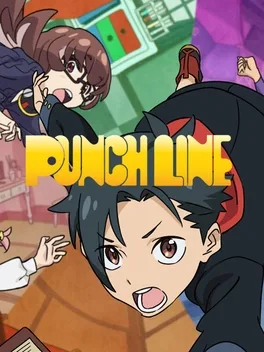
5.0Punch Line

Kono Oozora ni, Tsubasa wo Hirogete Cruise Sign

Is the Order a Rabbit?? Wonderful party!
Steins;Gate: Limited Edition
 81
81Steins;Gate 0

Infinite Stratos 2: Love and Purge
 7.3
7.3Corpse Party

Steins;Gate: El Psy Kongroo Edition
 7.8
7.8Phantom Breaker: Battle Grounds Overdrive
 6.3
6.3Psycho-Pass: Mandatory Happiness

Saenai Heroine no Sodatekata: Blessing Flowers
 6.5
6.5Operation Abyss: New Tokyo Legacy

Infinite Stratos: Versus Colors
 8.5
8.5Chaos;Child
 8.1
8.1Robotics;Notes Elite
 8.7
8.7Steins;Gate: Linear Bounded Phenogram
 7.0
7.0Muv-Luv Photonflowers*
 8.1
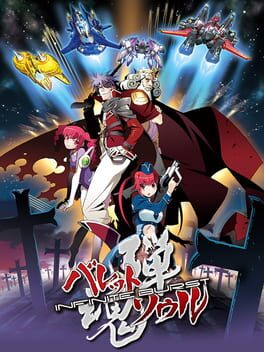
8.1Bullet Soul Infinite Burst

Infinite Stratos 2: Ignition Hearts
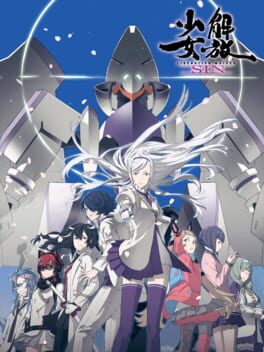
Liberation Maiden: SIN

Yahari Game Demo Ore no Seishun Love-come wa Machigatteiru.

Disorder6

Haiyore! Nyaruko-san Nafushigatai Game no Yona Mono

Ano Hi Mita Hana no Namae wo Boku-tachi ha Mada Shiranai

Corpse Party: The Anthology - Sachiko's Game of Love: Hysteric Birthday 2U
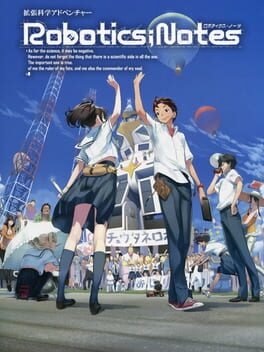
Robotics;Notes

&: Sora no Mukou de Saki Masuyou ni

Ever17

Steins;Gate: Heni Kuukan no Octet
 7.9
7.9Muv-Luv

Dunamis 15
 7.4
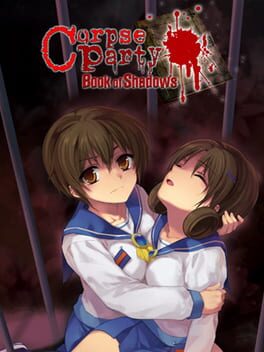
7.4Corpse Party: Book of Shadows
 7.5
7.5Steins;Gate: My Darling's Embrace
 8.5
8.5Phantom Breaker
 8.2
8.2Bullet Soul
 71
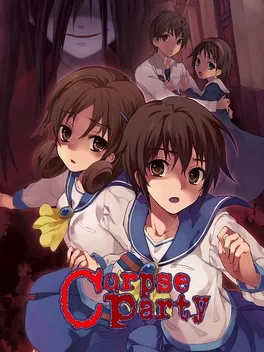
71Corpse Party
 7.5
7.5