APh Technological Consulting
APh Technologies was an American software developer based in Pasadena, California, who is primarily known for developing the Intellivision game system, its development tools, and many of its games. They also designed a number of games for the Atari 2600 console. Because the company did not solely develop games, it survived the 1983 video game crash, and continued operating, programming embedded computer processors for a variety of applications, until its dissolution in 2012.
APh Technological Consulting at a Glance
APh Technological Consulting operated as an American developer from 1979 until its dissolution in 2012. The company is best known for its work on the Intellivision system, where it developed 21 of the 22 titles listed in our database. They also created seven games for the Atari 2600 and released single titles for the Xbox 360, Intellivision Amico, and legacy mobile devices. Their output was heavily concentrated in the early era of video games. Eighteen of their twenty-two cataloged games appeared in the 1980s, while four were released during the 1970s. The studio focused primarily on sports titles, with eight games in that category. They also produced six arcade games, five shooters, and four strategy titles. Other genres included adventure, platformer, simulator, puzzle, tactical, and turn-based strategy games. The quality of their work varies across the board. Out of six titles with ratings on IGDB, one stands out as great with a score above 80. Four others are rated as good between 60 and 79 points. One title falls into the mixed range, while none are classified as poor. Their highest-rated game is Advanced Dungeons & Dragons Cartridge from 1982, which holds a score of 88.4 out of 100. Other notable titles include Frog Bog (70), Major League Baseball (69.6), Space Battle (68.5), and Sea Battle (67.8). Recent releases in their active period included Advanced Dungeons & Dragons: Treasure of Tarmin, Adventures of Tron, and Sub Hunt. The company survived the 1983 video game crash because it did not rely solely on game development. It continued operating by programming embedded computer processors for various applications until it closed its doors in 2012.
Genre Breakdown
Platform Spread
Release Timeline
Rating Distribution
Highest Rated Titles
 6.0
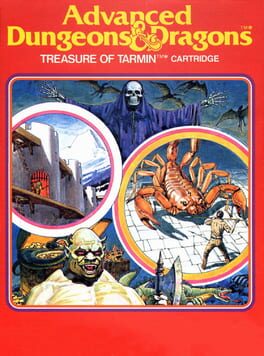
6.0Advanced Dungeons & Dragons: Treasure of Tarmin
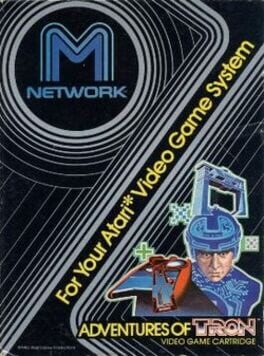
Adventures of Tron
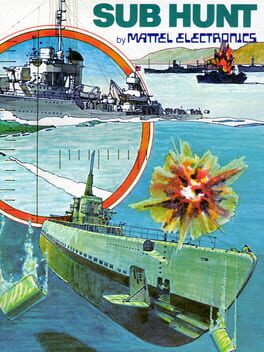
Sub Hunt
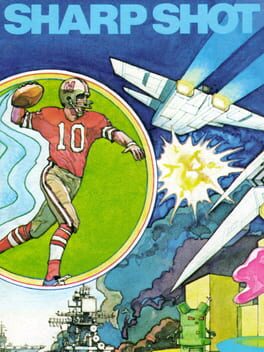
Sharp Shot
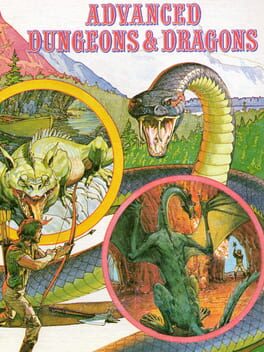 8.8
8.8Advanced Dungeons & Dragons Cartridge
 7.0
7.0Frog Bog
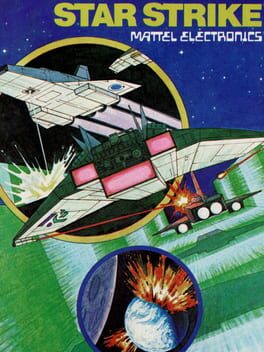 4.0
4.0Star Strike

Triple Action
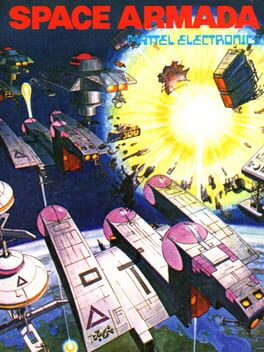
Space Armada
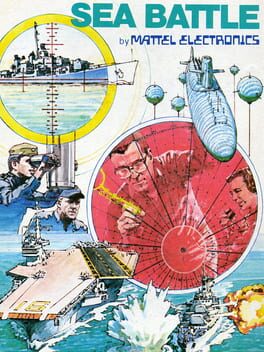 6.8
6.8Sea Battle
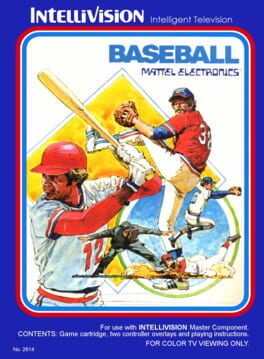 7.0
7.0Major League Baseball

Skiing
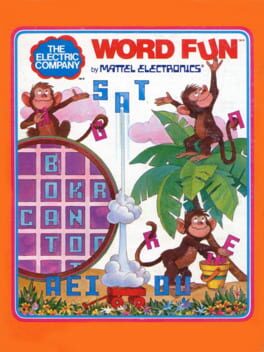
The Electric Company Word Fun

PGA Golf

ABPA Backgammon
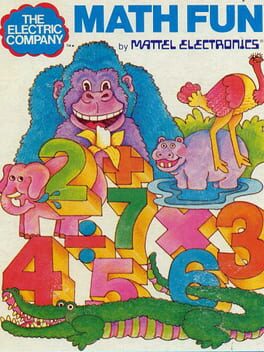
The Electric Company Math Fun

Horse Racing

NASL Soccer
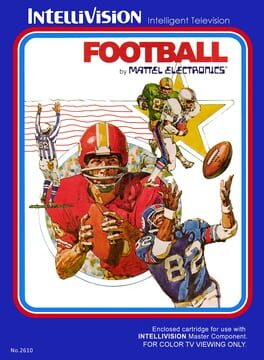
NFL Football

NHL Hockey
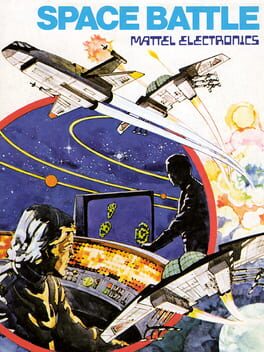 6.8
6.8Space Battle