Banpresto
Banpresto Co., Ltd. is a Japanese toy company, and a former game developer and publishing, headquartered in the Shinagawa Seaside West Building in Shinagawa, Tokyo.
Banpresto at a Glance
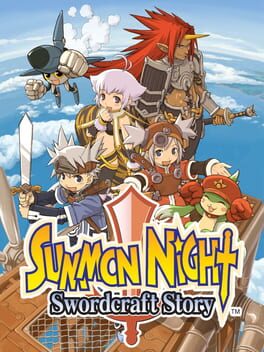
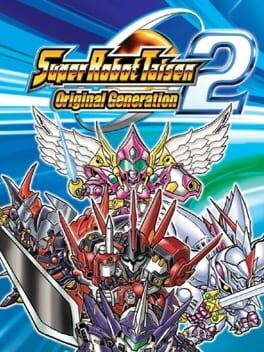
Banpresto operated as a significant force in the Japanese gaming market from 1983 until 2014. Although the company started as a toy manufacturer, it published 213 games and developed 65 titles during its active years. You will find their work across many platforms, with a heavy concentration on older systems like the Super Famicom, which holds 43 of their releases, followed by the PlayStation with 40 titles. They also made a mark on Arcade cabinets, the Game Boy series, and various PlayStation models. The company's output changed drastically over time. Their first two games appeared in the 1980s, but they released 136 titles during the 1990s alone. This momentum slowed in the 2000s with 75 games and dropped further to just 18 releases in the 2010s before they stopped making new software. Their catalog spans many genres, including Strategy with 54 entries and Role-playing games with 53 entries. Adventure and Fighting games also make up large portions of their library. Quality varies across their portfolio. The average rating on IGDB sits at 68.5 out of 100 based on 17 rated titles. Most reviews fall into the good or great range, with four titles scoring above 80 and nine scoring between 60 and 79. Their highest-rated game is Summon Night: Swordcraft Story from 2003, which earned an 84.1 score. Other top entries include Super Robot Taisen: Original Generation 2 and Eternal Poison, both rated at 80 or higher. However, the data also shows three mixed reviews and one poor rating, indicating that not every release met high standards. Recent releases from their final years include Super Heroine Chronicle in 2014 and various Super Robot Taisen titles leading up to 2013. These later games did not match the critical success of their earlier Strategy and RPG hits. If you are looking for a publisher with deep roots in Japanese console history, Banpresto fits that profile, but their later years saw a clear decline in both volume and variety compared to their dominant 1990s period.
Genre Breakdown
Platform Spread
Release Timeline
Rating Distribution
Highest Rated Titles
Latest & Upcoming
Super Robot Taisen OG Saga: Masou Kishin F - Coffin of the End
Super Heroine Chronicle
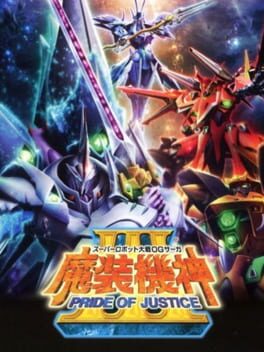
Super Robot Taisen OG Saga: Masou Kishin III - Pride of Justice
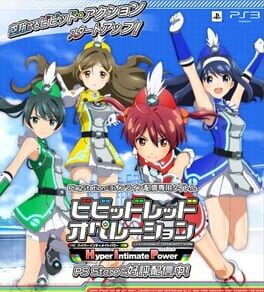
Vividred Operation: Hyper Intimate Power

Accel World: The Peak of Acceleration
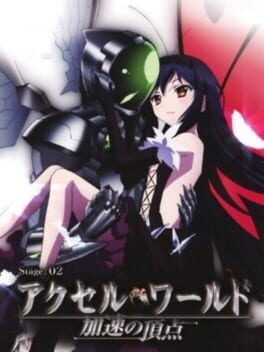
Accel World: Kasoku no Chouten - Limited Edition
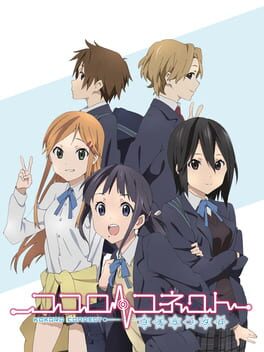
Kokoro Connect: Yochi Random
Bakemonogatari Portable

Accel World: Awakening of the Silver Wings
Lost Heroes

Ore no Imouto ga Konna ni Kawaii Wake ga Nai Portable ga Tsuzuku Wake ga Nai
Battle Dodge Ball 3
Great Battle Full Blast
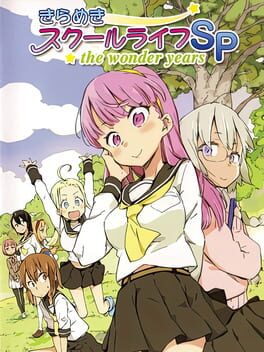
Kirameki School Life SP: The Wonder Years

Boku ha Tomodachi ga Sukunai Portable
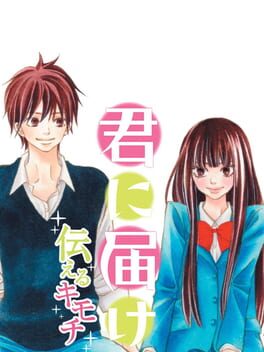
Kimi ni Todoke: Tsutaeru Kimochi
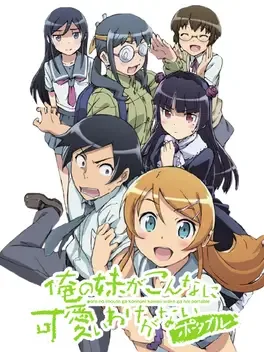
Ore no Imouto ga Konna ni Kawaii wake ga Nai Portable
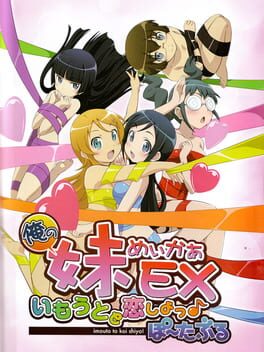
Ore no Imouto Maker EX: Imouto to Koi Shiyo? Portable
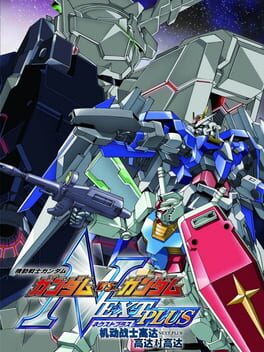
Mobile Suit Gundam: Gundam vs. Gundam Next Plus
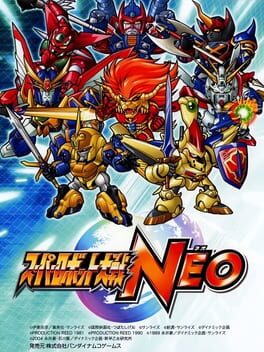
Super Robot Taisen Neo

Kimi ni Todoke: Sodateru Omoi
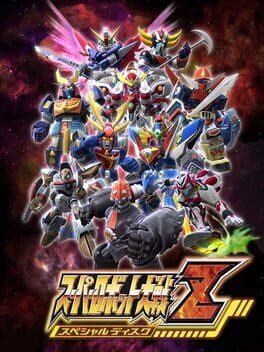
Super Robot Taisen Z: Special Disc
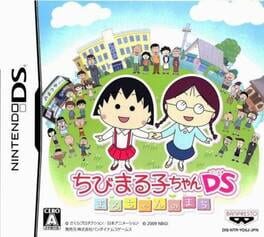
Chibi Maruko-chan DS: Maru-chan no Machi
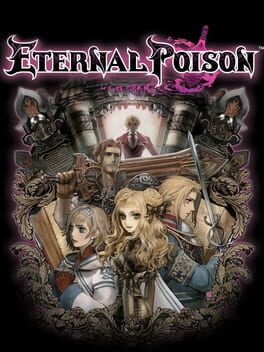
 8.0
8.0Eternal Poison
Suzumiya Haruhi no Tomadoi

Gintama: Silver Ball Quest - Gin Changed Jobs and Saved the World
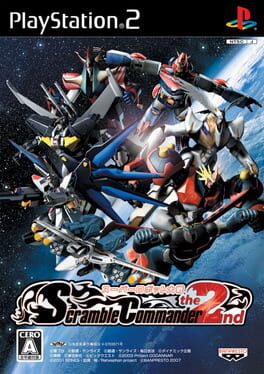
Super Robot Taisen: Scramble Commander the 2nd
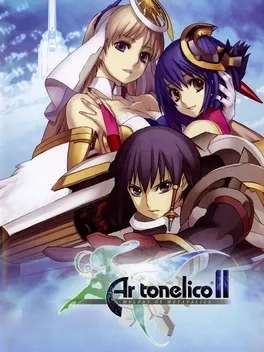 7.4
7.4Ar tonelico II: Melody of Metafalica
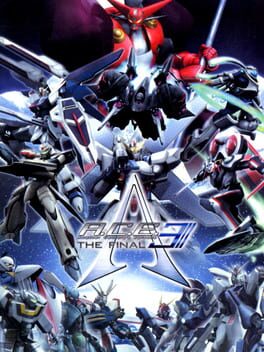
Another Century's Episode 3: The Final
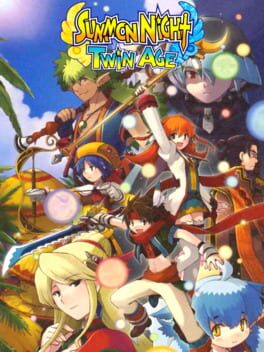 6.5
6.5Summon Night: Twin Age
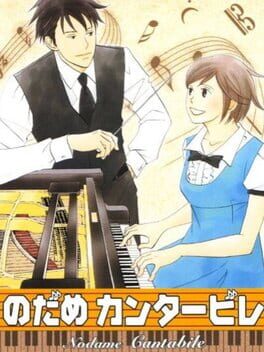
Nodame Cantabile
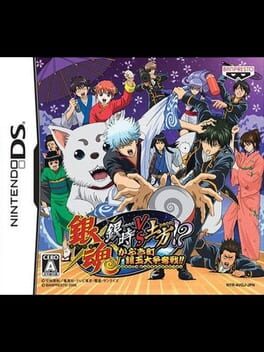
Gintama: Gintoki vs. Hijikata!? Kabukichou Gintama Dai-soudatsusen!!
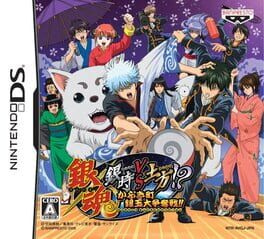
Gintama: Gintoki vs. Hijikata!? The Kabukicho Silver Ball Competition!!
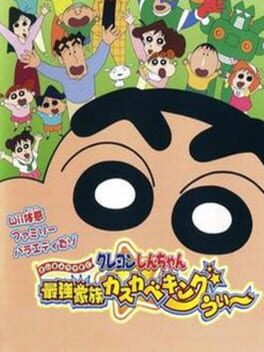
Crayon Shin-chan: Strongest Family in Kasukabe Wii King
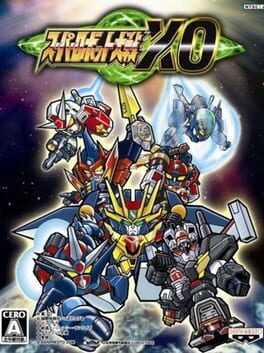
Super Robot Taisen XO
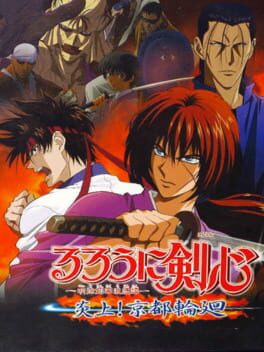
Rurouni Kenshin: Meiji Kenkaku Romantan - Enjou, Kyoto Rinne!
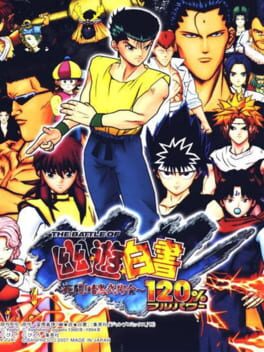
The Battle of YuYu Hakusho: Shitou! Ankoku Bujutsukai! 120%
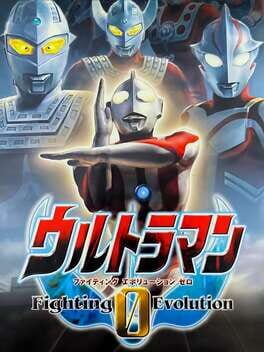
Ultraman Fighting Evolution 0
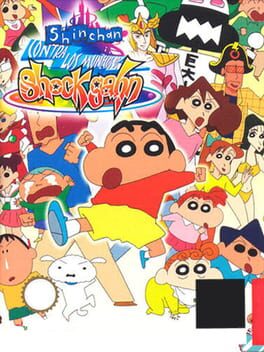
Crayon Shin-Chan: Densetsu wo Yobu Omake no to Shukkugaan!
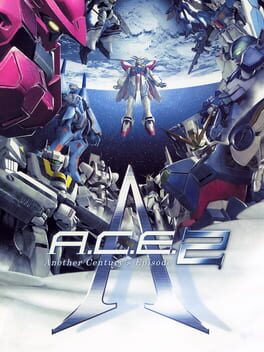
Another Century's Episode 2
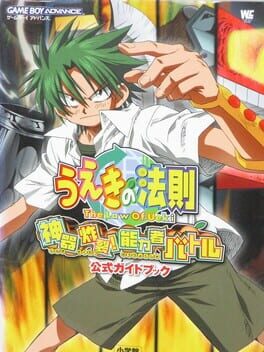
Ueki no Housoku: Jingi Sakuretsu! Nouryokusha Battle
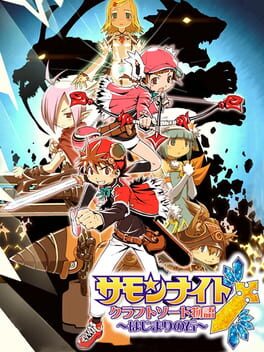 6.0
6.0Summon Night Craft Sword Monogatari: Hajimari no Ishi
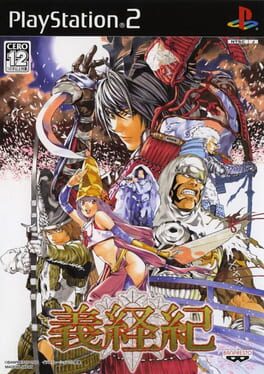
Yoshitsune-ki

Konjiki no Gashbell!! Yuujou no Zakeru: Dream Tag Tournament
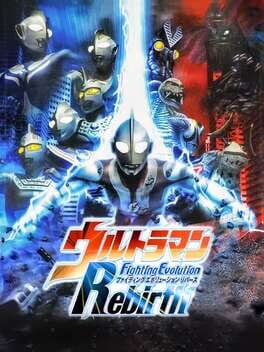
Ultraman Fighting Evolution Rebirth
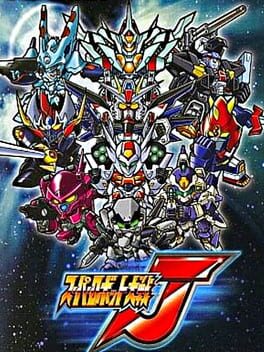
Super Robot Taisen J
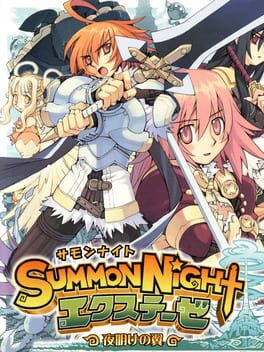
Summon Night Ex-These: Yoake no Tsubasa