Distinctive Software
Distinctive Software, Inc. was a Canadian video game developer. They were known in the late 1980s and early 1990s for their racing and sports video games, including the Test Drive series, Stunts, 4D Boxing, and Hardball II. In 1991, Distinctive was acquired by Electronic Arts.
Distinctive Software at a Glance
Distinctive Software was a Canadian developer active between 1987 and 1993 before being acquired by Electronic Arts. They created all 18 titles listed on PlayPile but never published games under their own name. Their catalog focused heavily on the racing genre with seven releases, followed closely by seven simulator titles and six sports games. Other categories included arcade, adventure, and a single entry in visual novel, point-and-click, shooter, strategy, and tactical genres. The studio released most of its work for DOS, where 15 titles appeared, alongside significant presence on Amiga with eight games and Commodore systems with five each. The company released seven games in the 1980s and 11 in the 1990s. Their early output included Test Drive from 1987, which holds a rating of 87.4 out of 100, and The Duel: Test Drive II from 1989 with a score of 88.3. Stunts arrived in 1990 to earn an 84.6 rating, while 4-D Boxing followed in 1991 with 83.2 points. These four titles represent the peak of their critical reception. However, quality was not consistent across their entire library. Bill Elliott's NASCAR Challenge from 1991 scored only 45.9 out of 100. The average rating for their five rated games is 77.9, showing that while they produced several great titles, some of their work struggled to find an audience or meet quality standards. Later releases show a shift toward licensed properties. Dick Tracy: The Crime-Solving Adventure came out in December 1991, followed by Mario Andretti's Racing Challenge and Top Gun: Guts and Glory in late 1992 and early 1993 respectively. The studio finished with Follow the Reader in December 1993. Their platform reach was broad for the time, spanning DOS, Amiga, Commodore, Mac, FM Towns, PC-9800, Atari ST, Amstrad CPC, ZX Spectrum, and Apple II. While they are best remembered for their racing simulators, their portfolio included varied attempts at sports and adventure games that did not always match the success of their top-tier titles.
Genre Breakdown
Platform Spread
Release Timeline
Rating Distribution
Highest Rated Titles
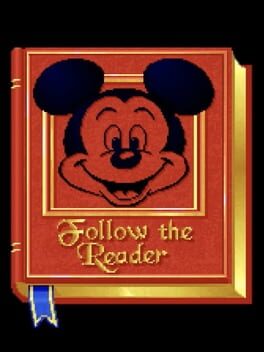
Follow the Reader

Top Gun: Guts and Glory
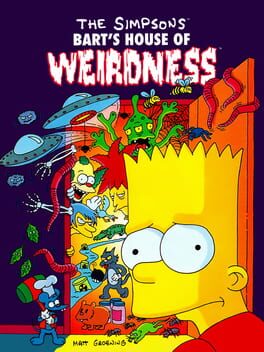
The Simpsons: Bart's House of Weirdness
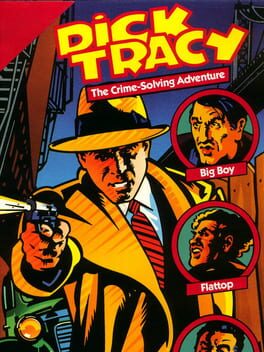
Dick Tracy: The Crime-Solving Adventure
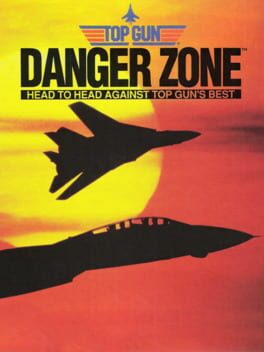
Top Gun: Danger Zone
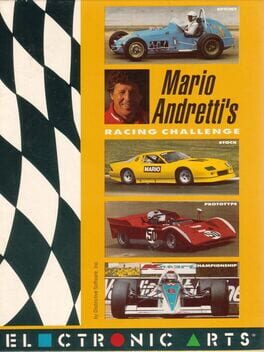
Mario Andretti's Racing Challenge
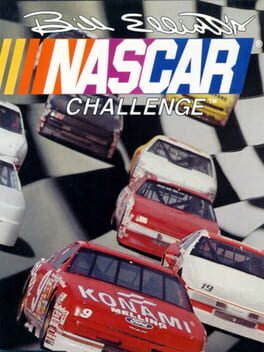
 4.6
4.6Bill Elliott's NASCAR Challenge
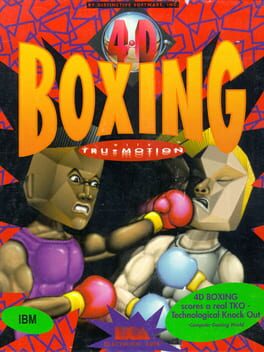 8.3
8.34-D Boxing
Teenage Mutant Ninja Turtles: Manhattan Missions
4D Sports Tennis
 8.5
8.5Stunts
 8.8
8.8The Duel: Test Drive II

HardBall II
The Cycles: International Grand Prix Racing

Grand Prix Circuit
Power at Sea
Accolade's Comics featuring Steve Keene Thrillseeker
 8.7
8.7