Eighting
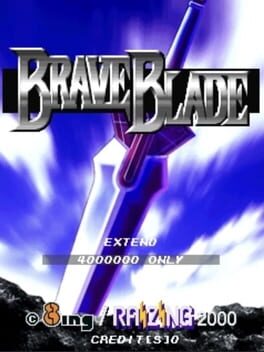
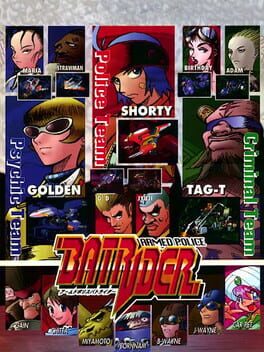
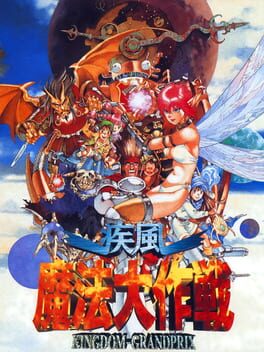
Eighting Co., Ltd., stylized as 8ing, is a Japanese video game developer and publisher. It was formerly known as Raizing. It is known for its shoot 'em ups and its licensed fighting games. Raizing and Eighting were formed in part by former staff of Compile, to create arcade games. The development was done by Raizing, while sales and distribution were done by Eighting. Their first game, Mahou Daisakusen/Sorcer Striker was released in 1993. After the arcade developer Toaplan closed their doors, some of their staff went to Raizing, while others began the offshoot companies Cave, Takumi, and Gazelle, all of which were noted for their strong support of the shoot 'em up genre, and the "danmaku" (or "manic") subgenre in particular. Raizing continued to use arcade hardware based on Toaplan's units for years after Toaplan's bankruptcy. The company featured a handful of former Compile employees, mainly those who worked on Musha Aleste, including Yuichi Toyama (a.k.a. "Healthy"), Kazuyuki Nakashima, and Kenichi Yokoo. The company also included the famous shooting game developer Shinobu Yagawa who was the designer and programmer for Battle Garegga, Armed Police Batrider, and Battle Bakraid while at Raizing, and is now employed by Cave. In October 2000, the Raizing division was incorporated into Eighting, and since then, no shoot'em up games were produced. The company since then concentrated its video game business to home consoles and mobile/social gaming.
Eighting at a Glance
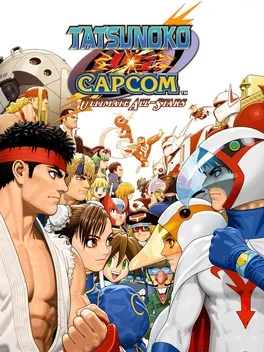
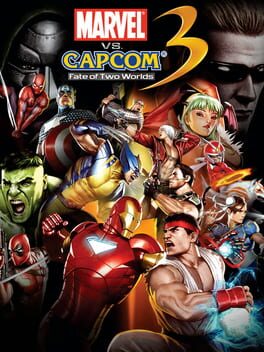
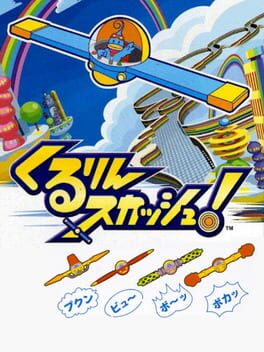
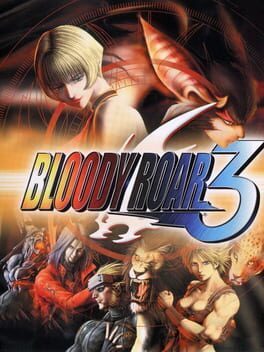
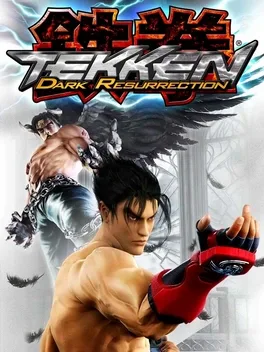
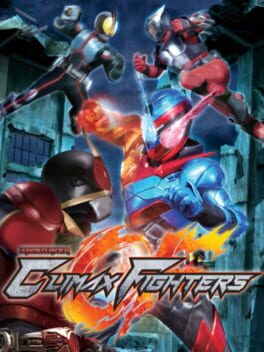
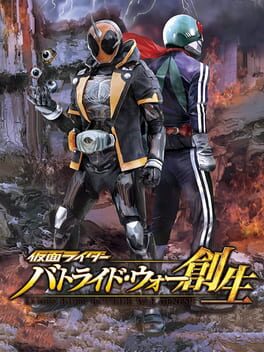
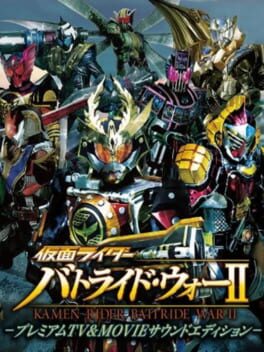
Eighting is a Japanese developer and publisher with roots tracing back to 1994. Originally operating as Raizing, the company focused on arcade shooting games before restructuring in October 2000. Since that shift, they have produced no shoot 'em ups. Their catalog now spans from home consoles to mobile platforms, though their output has slowed significantly in recent years. The data shows a heavy concentration of titles from the 2000s with 38 releases. The 1990s saw only two games, while the 2010s had 11 and the 2020s have just one confirmed release so far. Their total footprint on PlayPile includes 53 entries, with 50 titles where they served as the developer and three as a publisher. Genre focus defines much of their identity. Fighting games make up the vast majority of their work at 36 titles. They also produced eight hack and slash or beat 'em up games, five arcade experiences, four RPGs, and several shooters, adventures, puzzles, simulators, and sports games. Platform support leans heavily toward Nintendo systems. The Wii holds the top spot with 15 games, followed by the PlayStation Portable at 10 and the Nintendo GameCube with eight. They also released seven titles for the PlayStation 2 and five for arcade machines. Quality trends show a pattern of consistency without many masterpieces. Across 21 rated titles, the average score sits at 65.1 out of 100. The breakdown reveals two great games scoring over 80, fourteen good titles between 60 and 79, and five mixed entries falling in the 40 to 59 range. There are no poor ratings below 40. Their highest rated works include Tatsunoko vs. Capcom: Ultimate All Stars from 2010 with a score of 83 and Marvel vs. Capcom 3: Fate of Two Worlds from 2011 at 80.7. Earlier hits like Kururin Squash! and Bloody Roar 3 also landed in the good range. Recent years have seen a dip in performance scores. Their latest release, Hunter x Hunter: Nen x Impact, received a 68 in July 2025. Prior to that, Kamen Rider: Climax Fighters dropped to a 45 in late 2017. The Kamen Rider Battride War series from 2013 to 2016 did not receive specific scores in the provided data but fits into their recent output of licensed fighting games.

 7.1
7.1