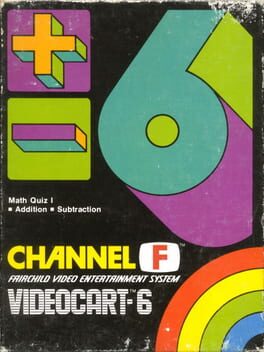
Fairchild Semiconductor
Fairchild Semiconductor International, Inc. was an American semiconductor company based in San Jose, California. It was founded in 1957 as a division of Fairchild Camera and Instrument by the "traitorous eight" who defected from Shockley Semiconductor Laboratory. It became a pioneer in the manufacturing of transistors and of integrated circuits. Schlumberger bought the firm in 1979 and sold it to National Semiconductor in 1987; Fairchild was spun off as an independent company again in 1997. In September 2016, Fairchild was acquired by ON Semiconductor.
Fairchild Semiconductor at a Glance
Fairchild Semiconductor stands out in the gaming industry history not for a massive library of titles, but for its specific role during the dawn of home video games. Based in San Jose, California, the company was founded in 1957 by eight engineers who left Shockley Semiconductor Laboratory. While they built a reputation as pioneers in transistors and integrated circuits, their gaming footprint is entirely tied to the Fairchild Channel F console. All twenty games listed for this publisher appeared exclusively on that system between 1976 and 1978. The catalog shows a clear focus on strategy games, which make up nine of the twenty titles released during those three years. Sports games follow with five entries, while shooters account for four. The remaining slots include puzzle, arcade, quiz, simulator, turn-based strategy, card and board game, and racing genres. Every single game was published under the Videocart branding. Recent entries from March 1978 include Memory Match, Bowling, Dodge-It, Video Whizball, and Hangman. These releases show a concentrated burst of activity right before the company shifted away from the consumer market. The output for Fairchild Semiconductor remains small when compared to modern standards or even contemporaries from the same era. The entire catalog exists within a single decade. Their games did not span multiple eras, as the company was sold by Schlumberger in 1979 and later changed hands several more times before being acquired by ON Semiconductor in 2016. This means their gaming legacy is short-lived and static. There are no modern re-releases or updates to these titles from the developer itself. Data on player ratings for this specific publisher is not provided in the available records, so we cannot assess quality trends based on community scores. However, the historical context suggests these were experimental entries from a semiconductor manufacturer rather than a dedicated game studio. The company stopped producing games shortly after 1978. Today, their legacy remains defined by those twenty early cartridges that ran on the Fairchild Channel F. They are a footnote in gaming history, notable for being hardware makers who briefly entered the software space during the industry's infancy.
Genre Breakdown
Platform Spread
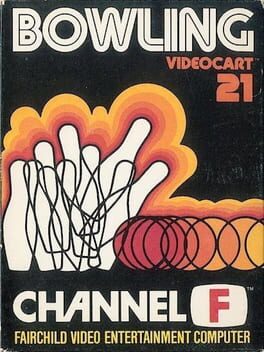
Videocart-21: Bowling
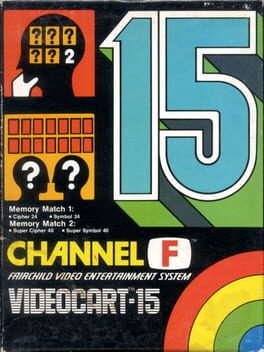
Videocart-15: Memory Match
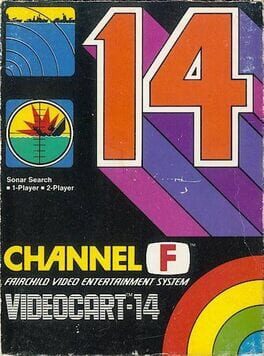
Videocart-14: Sonar Search
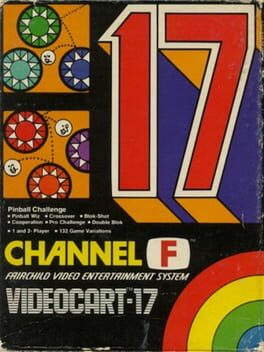
Videocart-17: Pinball Challenge
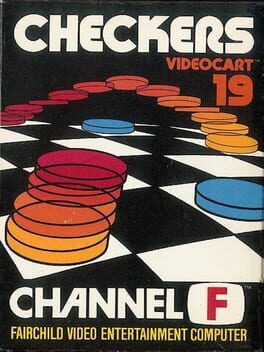
Videocart-19: Checkers
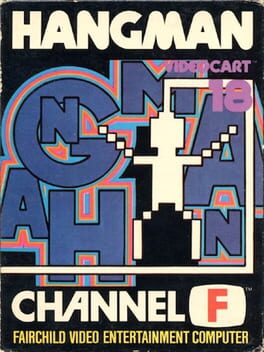
Videocart-18: Hangman
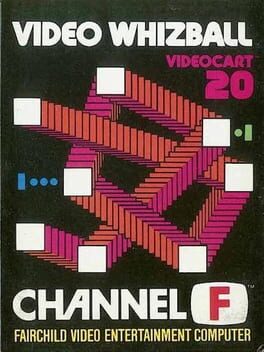
Videocart-20: Video Whizball
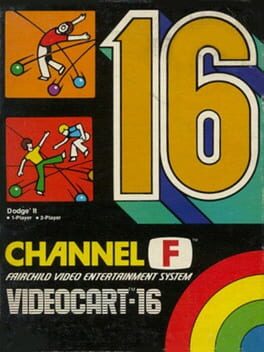
Videocart-16: Dodge-It
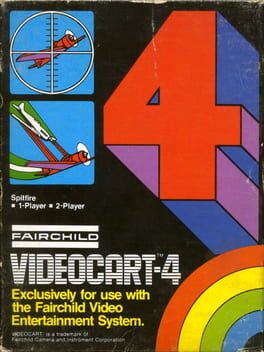
Videocart-4: Spitfire
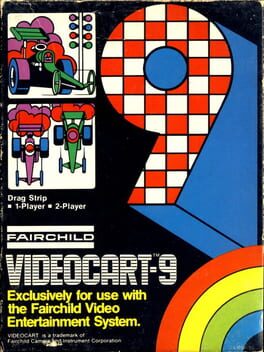
Videocart-9: Drag Strip
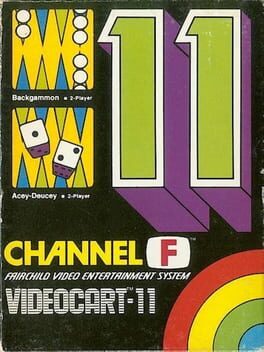
Videocart-11: Backgammon, Acey-Deucey
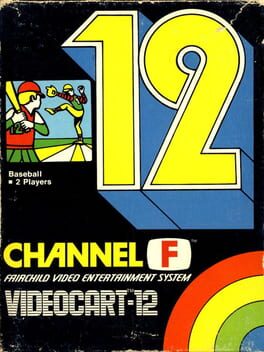
Videocart-12: Baseball
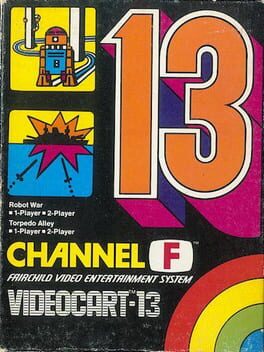
Videocart-13: Robot War, Torpedo Alley
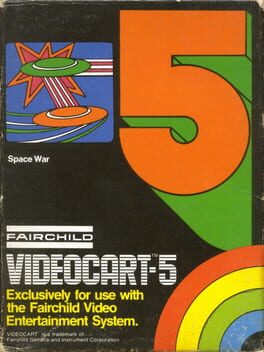
Videocart-5: Space War
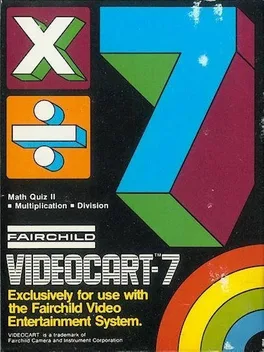
Videocart-7: Math Quiz II - Multiplication & Division
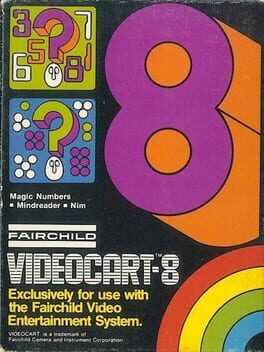
Videocart-8: Magic Numbers - Mind Reader & Nim
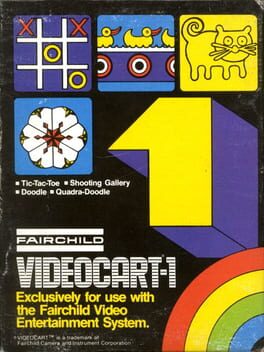
Videocart-1: Tic-Tac-Toe & Shooting Gallery & Doodle & Quadra-Doodle
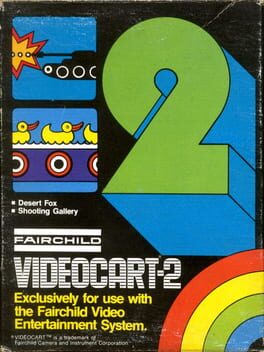
Videocart-2: Desert Fox & Shooting Gallery
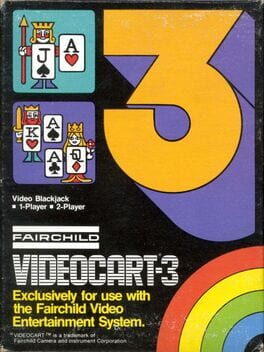
Videocart-3: Video Blackjack