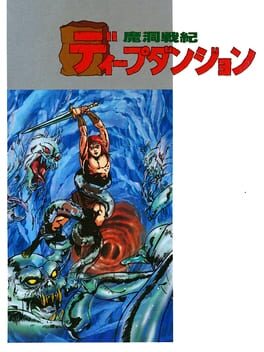
Humming Bird Soft
HummingBirdSoft (ハミングバードソフト) was a Japanese video game developer. The company was established in 1982 as a real estate agent, but in 1983 began to develop video games. The company heavily participated in the Disk Original Group, a collective publishing house for Famicom Disk System games headed by Square. Many of HummingBirdSoft's games are either traditional role-playing video games or adventure games, although they also developed a couple of pinball video games. While none of their games were published in North America, some have been unofficially translated by fans.
Humming Bird Soft at a Glance
Humming Bird Soft started as a real estate agent in 1982 before shifting to video game development in 1983. The company operated from 1986 through 1997 and released 11 games on PlayPile, counting six titles as a publisher and nine as a developer. Their work focused heavily on the role-playing genre with 10 RPG entries, while also touching adventure games with three titles. They produced two strategy games, one pinball title, one visual novel, and one turn-based strategy game. The bulk of their output appeared in the 1980s with seven releases compared to four games in the 1990s. Their portfolio spanned various platforms including the PC-9800 Series, MSX, Family Computer, PC-8800 Series, Sharp X68000, and Super Famicom. They were part of the Disk Original Group, a collective that published games for the Family Computer Disk System under Square. Notable releases include Lodoss-tou Senki: Fuku Zinduke from 1989 and Deep Dungeon IV: Kuro no Youjutsushi from 1990. Later titles in their catalog included Kurokishi no Kamen in 1994, Paracelsus no Maken also in 1994, and Garzey's Wing which arrived in December 1997. None of these games received an official release in North America, though fans have created unofficial translations for some titles. The company did not maintain a large volume of work over their eleven-year active period in the industry. Their catalog remains small at only 11 entries across all platforms. Players interested in this publisher will find mostly traditional RPGs and adventure games from the late 80s and early 90s. The data shows no major shifts in genre focus over time, as role-playing remained their primary output throughout their run.
Genre Breakdown
Platform Spread
Release Timeline
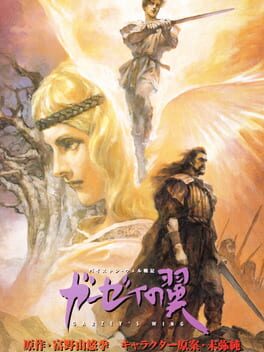
Garzey's Wing
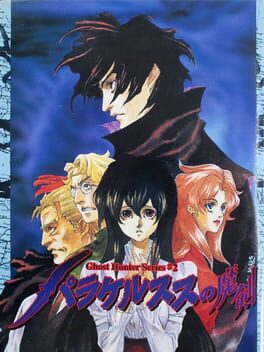
Paracelsus no Maken
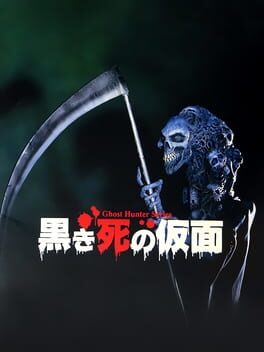
Kurokishi no Kamen
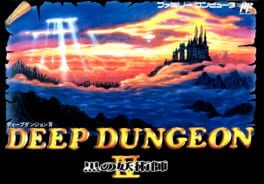
Deep Dungeon IV: Kuro no Youjutsushi
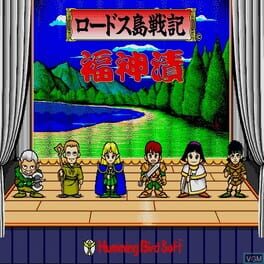
Lodoss-tou Senki: Fuku Zinduke

Fire Ball
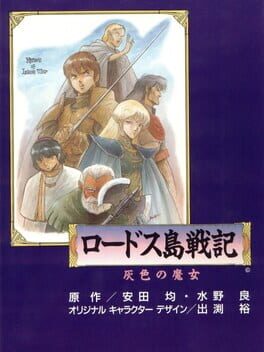
Record of Lodoss War: Haiiro no Majo
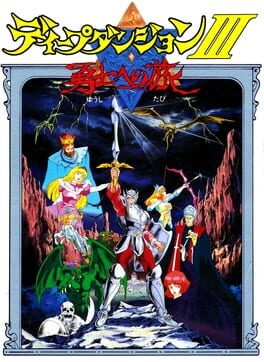
Deep Dungeon III: Yuushi he no Tabi
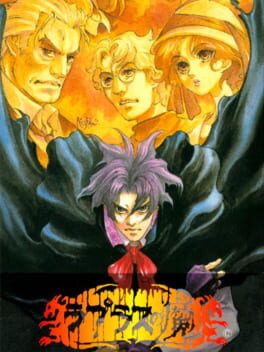
Laplace no Ma
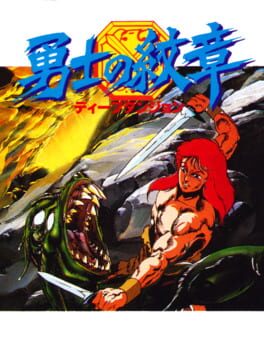
Yuushi no Monshou: Deep Dungeon