
Titus Interactive
Titus Interactive SA, known as Titus France SA until March 1999, was a French software publisher that produced and published video games for various platforms. Titus filed for bankruptcy on January 9, 2005
Titus Interactive at a Glance
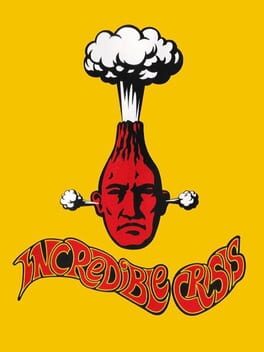
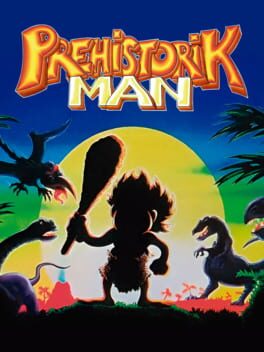
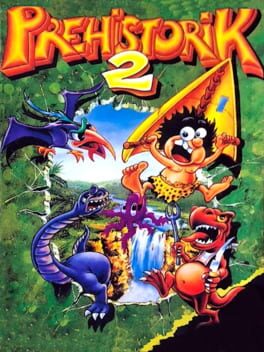
Titus Interactive was a French company active from 1991 until it filed for bankruptcy in January 2005. Before becoming Titus Interactive SA in March 1999, it operated as Titus France SA. The company released 14 games total on PlayPile, serving as a publisher on 12 titles and a developer on 6 of them. Their catalog spans multiple platforms including PC, DOS, PlayStation 2, PlayStation, Linux, Mac, Amstrad CPC, Game Boy Color, Dreamcast, and Super Nintendo Entertainment System. The distribution of games shows a heavy focus on Adventure titles with five entries, followed by Platform games with four. They also released three Racing games and two each for Arcade and Fighting genres, along with single entries in Role-playing, Quiz/Trivia, Hack and slash/Beat 'em up, Sport, and Shooter categories. The company's output was fairly consistent across decades, releasing six games in the 1990s and another six in the early 2000s before shutting down. Quality trends for their work are generally positive. Across eight rated titles, they hold an average IGDB rating of 73.2 out of 100. The breakdown shows one great title scoring above 80, seven good titles scoring between 60 and 79, and no mixed or poor ratings. Their highest-rated game is Prehistorik 2 from 1993 with a score of 80.5. Other well-regarded titles include Prehistorik Man (1995) at 79.8, Incredible Crisis (1999) at 74.9, and Stunt GP (2001) at 74.2. Even in their final years leading up to the 2002 releases, they maintained decent scores. Recent titles like Downforce and Barbarian both arrived in June 2002 with a rating of 70 out of 100. While their output was not massive compared to larger industry players, the consistency in quality suggests they delivered solid games for their era. Their work covered a wide array of systems from the Amstrad CPC and Game Boy Color to the Dreamcast and PlayStation 2, showing an ability to adapt across different hardware generations before their financial collapse ended operations.
Genre Breakdown
Platform Spread
Release Timeline
Rating Distribution
Highest Rated Titles
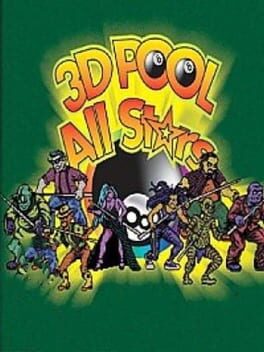
3D Pool All Stars
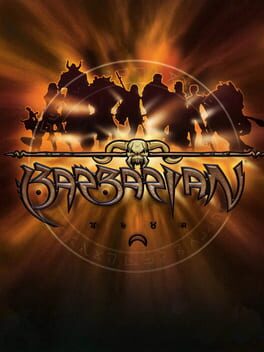
Barbarian
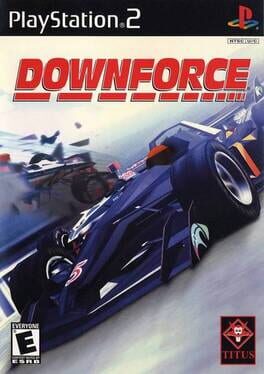
 7.0
7.0Downforce

Top Gun: Firestorm
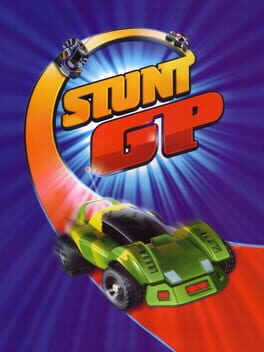 7.4
7.4Stunt GP
 6.9
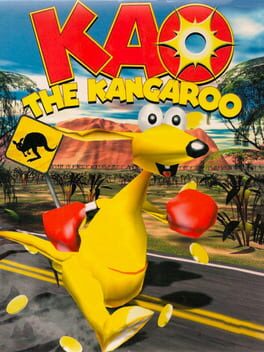
6.9Kao the Kangaroo
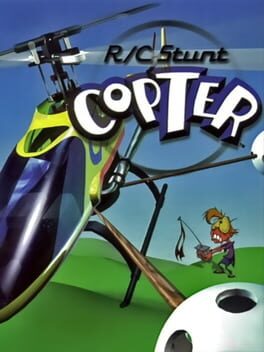
R/C Stunt Copter
 7.5
7.5Incredible Crisis
 8.0
8.0Prehistorik Man
 6.7
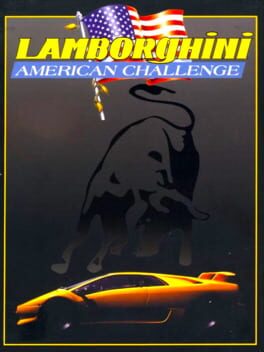
6.7Lamborghini: American Challenge
 8.0
8.0Prehistorik 2
 7.0
7.0Prehistorik
Quest for Camelot