Vivendi Games
Game publishing subsidiary of Vivendi. Renamed from Vivendi Universal Games in 2006, after Vivendi dropped the universal from it's name, and stopped publishing under it's own name. Had divisions like Blizzard entertainment and Sierra entertainment. Vivendi merged with Activision in 2008 to form Activision Blizzard, which took over publishing.
Vivendi Games at a Glance
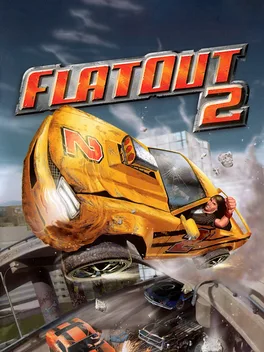
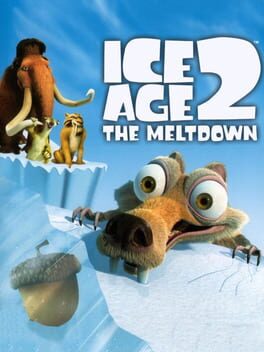
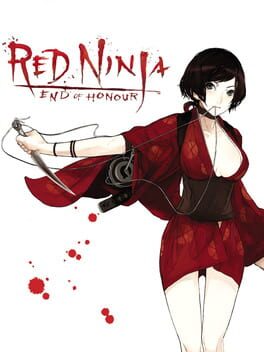
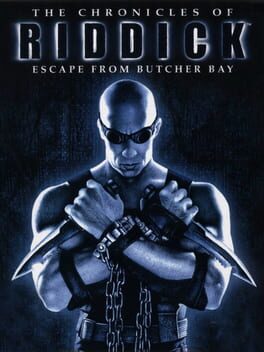
Vivendi Games operated as a game publishing subsidiary in the United States from 2002 until 2008. The company changed its name from Vivendi Universal Games in 2006 and stopped using the older brand for new releases. It managed major divisions like Blizzard Entertainment and Sierra Entertainment before merging with Activision to form Activision Blizzard in 2008. PlayPile lists exactly twenty titles published under this name during those six years, though the company acted only as a publisher and never developed games itself. The bulk of their catalog appeared in the 2000s with nineteen games released in that decade. Their output focused heavily on legacy hardware rather than modern systems. PlayStation 2 held the most titles with nine releases, followed by PC with eight and Xbox with seven. Nintendo GameCube also saw five games, while later platforms like Xbox One and PlayStation 3 received very few releases. The genres they handled were quite varied, covering adventure, platformers, sports, racing, and arcade games, along with shooters, tactical titles, and a single simulator. Quality control for Vivendi Games shows a wide range of results across eight rated titles on PlayPile. The average score sits at 58.6 out of 100. Only two titles achieved great ratings above 80, while one game scored in the poor category below 40. The highest rated release was The Chronicles of Riddick: Escape from Butcher Bay in 2004, which earned an 87. FlatOut 2 followed with an 82. Most other entries fell into mixed or average territory, such as Ice Age 2: The Meltdown at 65.9 and Red Ninja: End of Honor at 62.4. Recent releases toward the end of their run included Spyro the Dragon: Wings of Fury in December 2008 and SWAT Elite Troops in March 2008. Earlier games like 50 Cent: Bulletproof scored a 52.7, showing that even popular licensed properties did not always meet high standards. The company wrapped up its operations by distributing titles like Bass Pro Shops: Trophy Bass 2007 and Crash of the Titans: Monster Edition before the merger took over. Their history reflects a large publisher with significant reach across multiple generations of consoles but inconsistent critical reception for their catalog.
Genre Breakdown
Platform Spread
Rating Distribution
Highest Rated Titles
Spyro the Dragon: Wings of Fury
 5.5
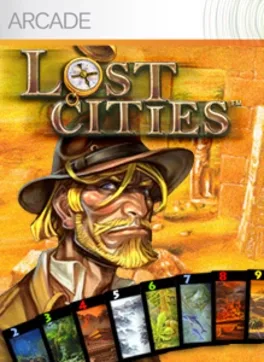
5.5Lost Cities

SWAT Elite Troops

Zoo Vet: Endangered Animals

Crash of the Titans: Monster Edition
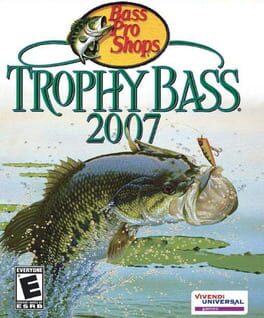
Bass Pro Shops: Trophy Bass 2007
 76
76FlatOut 2
 3.0
3.0Ice Age 2: The Meltdown
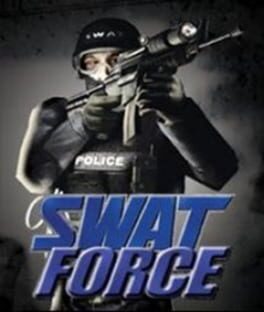
SWAT Force
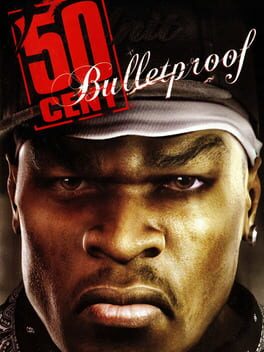 5.3
5.350 Cent: Bulletproof
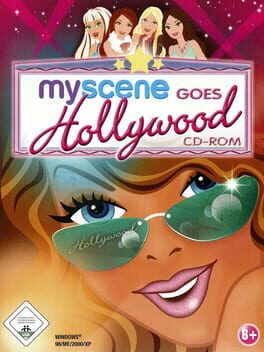
My Scene Goes Hollywood
Spyro the Dragon
 6.2
6.2Red Ninja: End of Honor
Spyro: Ripto Quest
 90
90The Chronicles of Riddick: Escape from Butcher Bay

Dr. Seuss': The Cat in the Hat
 2.8
2.8Butt-Ugly Martians: Zoom or Doom
 4.0
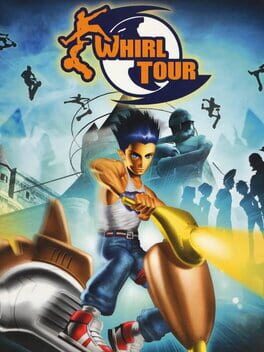
4.0Whirl Tour
 5.1
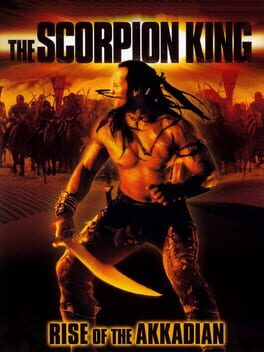
5.1The Scorpion King: Rise of the Akkadian
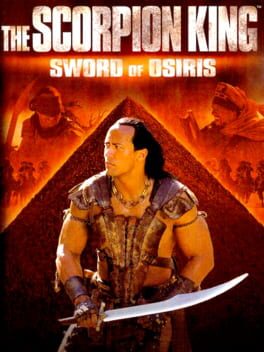
The Scorpion King: Sword of Osiris