Allumer, Ltd.
Allumer, Ltd. (アルュメ株式会社), was a video game production company, established in February 1978 and headquartered in Meguro, Tokyo, Japan. The company suspended business in October 5, 1999. In February 2023, Japanese video game publisher Hamster Corporation acquired the rights to Allumer's catalog of titles. After the acquisition, the games from the company began to appear on their Arcade Archives series of re-releases, beginning with Magical Speed. Other titles from the company, such as Blandia, Rezon, Mad Shark, and Zing Zing Zip started appearing afterwards.
Allumer, Ltd. at a Glance
Allumer, Ltd. operated as a Japanese video game production company for most of two decades before its business suspension in 1999. Founded in 1978 and based in Meguro, Tokyo, the studio released a small catalog that now numbers just 11 titles on PlayPile. Their activity was concentrated heavily in the 1990s with eight games, while they only produced two titles in the 1980s and one in the 2020s as part of a revival effort. The company focused primarily on arcade hardware, with nine of their eleven entries built for that platform. They also released a few titles for home computers like the Commodore C64, ZX Spectrum, and Amstrad CPC, along with two PlayStation games and single releases on PlayStation 4 and Nintendo Switch. The studio worked mostly in the arcade space, producing seven arcade games, five fighting titles, and four shooters. Their output included specific entries like Blandia, Mad Shark, Zing Zing Zip, and Rezon. In the 1990s, they released Idol Promotion: Yumie Suzuki, Gokuu Densetsu: Magic Beast Warriors, Magical Speed, and Mobile Suit Gundam: EX Revue. While their original run ended in 1999, rights to their catalog were acquired by Hamster Corporation in early 2023. This acquisition led to the re-release of their games through the Arcade Archives series, starting with Magical Speed and followed by Rezon in April 2023. Their ratings on PlayPile show a generally positive trend for these older arcade titles. Many of their classic entries hold scores that indicate strong playability for fans of the genre. The company did not maintain a high volume of output throughout its history, but the games they did create defined a specific slice of Japanese arcade and fighting game culture from the late 1980s through the late 1990s. Today, their legacy continues only through these re-releases rather than new development from the original studio itself.
Genre Breakdown
Platform Spread
Release Timeline
Arcade Archives: Rezon

Idol Promotion: Yumie Suzuki

Gokuu Densetsu: Magic Beast Warriors
Magical Speed
Mobile Suit Gundam: EX Revue
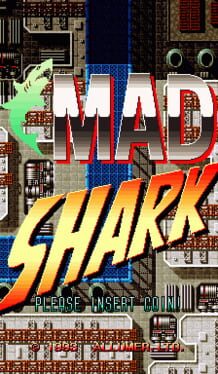
Mad Shark
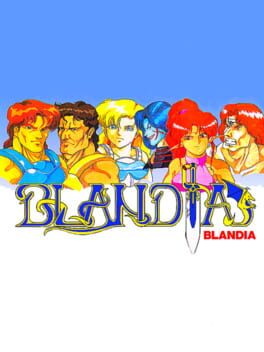
Blandia

Zing Zing Zip
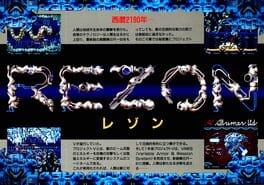
Rezon
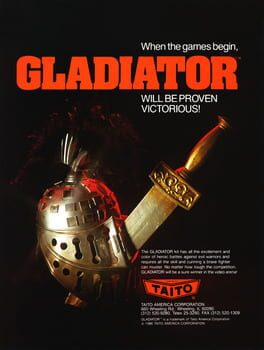
Gladiator