
Asmik Corporation
Asmik (アスミック) was a video game developer founded in 1985 as a subsidiary of Sumitomo. In 1998, they merged with Ace Entertainment to form Asmik Ace Entertainment.
Asmik Corporation at a Glance
Asmik Corporation operated as a Japanese publisher and developer from 1987 through 1997 before merging with Ace Entertainment in 1998. Founded in 1985 as a subsidiary of Sumitomo, the company released 16 titles on PlayPile during its active years. The vast majority of these releases came in the 1990s, where they published 14 games compared to just two in the 1980s. Their output focused heavily on the Family Computer platform with seven titles, followed by three releases each for the Super Nintendo Entertainment System and Super Famicom. They also released games for the Game Boy, PlayStation, DOS, Amiga, Atari ST/STE, Commodore C64/128/MAX, and Satellaview. The company's catalog covers a wide range of genres with Adventure titles leading at five releases, followed by four Role-playing games. Other genres include Arcade, Quiz/Trivia, Platform, Hack and slash, Visual Novel, Sport, Strategy, and Simulator. Only one game is listed where they acted as the developer, while fifteen were published by them. Despite their long list of platforms and genre variety, their critical reception on PlayPile remains modest. They have two rated titles with an average score of 69.8 out of 100. Both scores fall into the good range between 60 and 79, with no great or poor ratings recorded. The highest rated game is Lennus II: Fuuin no Shito from 1996 at 77 points, while Shinobi from 1987 scored 62.6 points. Their most recent releases on the site include Lupin III Sansei: Cagliostro no Shiro Saikai in January 1997 and Lennus II: Fuuin no Shito in July 1996. Earlier in their timeline, they published titles like Houma Hunter Lime: Special Collection Vol. 1 in December 1994 and Kessen! Dokapon Okukoku IV: Densetsu no Yuusha-tachi in December 1993. The data shows a company that was active during the peak of 8-bit and 16-bit gaming but did not achieve top-tier critical scores for its known works. Their shift toward more releases in the 1990s suggests an attempt to capitalize on newer hardware, though their rating average indicates mixed quality across their portfolio rather than a string of masterpieces.
Genre Breakdown
Platform Spread
Release Timeline
Rating Distribution
Highest Rated Titles
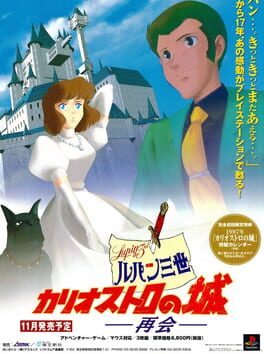
Lupin III Sansei: Cagliostro no Shiro Saikai
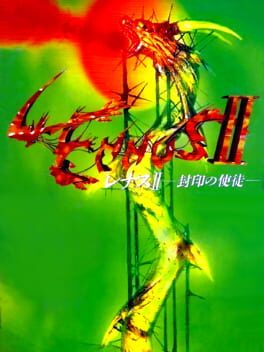
 7.7
7.7Lennus II: Fuuin no Shito
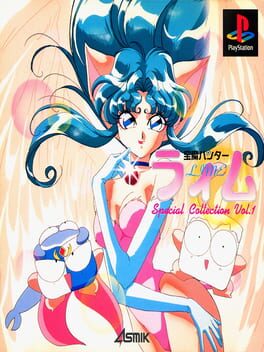
Houma Hunter Lime: Special Collection Vol. 1
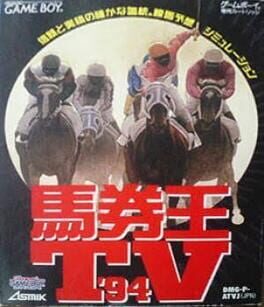
Baken-ou TV '94
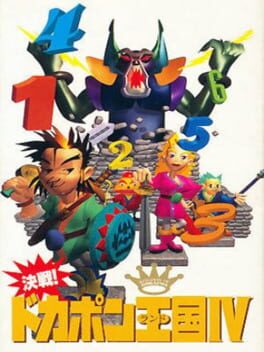
Kessen! Dokapon Okukoku IV: Densetsu no Yuusha-tachi
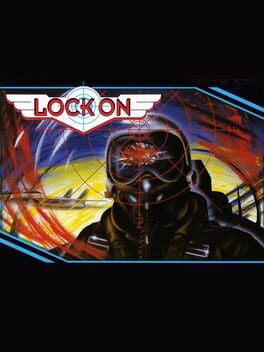
Lock On
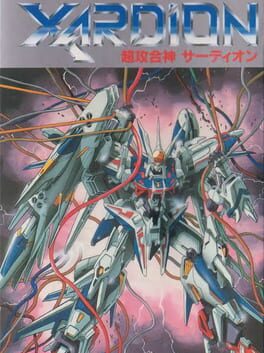
Xardion
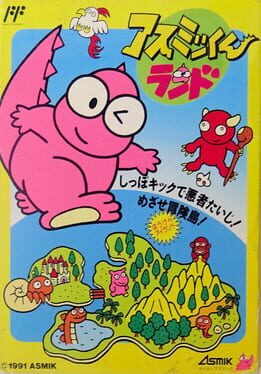
Asmik-kun Land
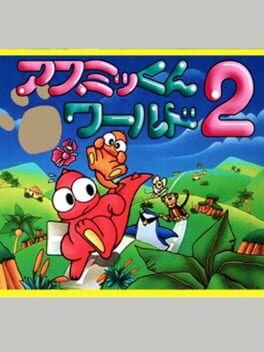
Asmik-kun World 2
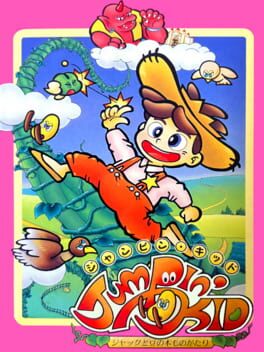
Jumpin' Kid: Jack to Mame no Ki Monogatari
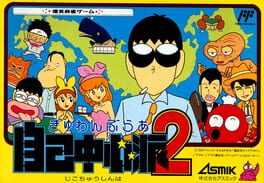
Gambler Jiko Chuushinha 2
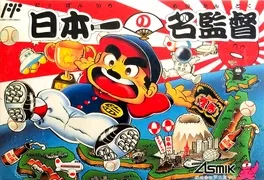
Nippon Ichi no Meikantoku
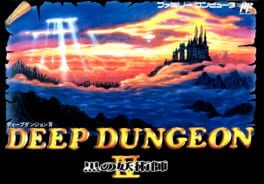
Deep Dungeon IV: Kuro no Youjutsushi
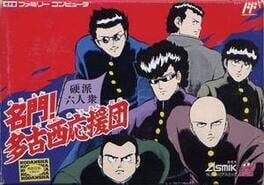
Meimon! Tako Nishi Ouendan
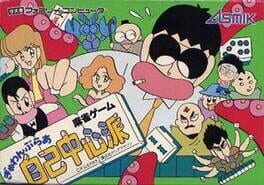
Gambler Jiko Chuushinha
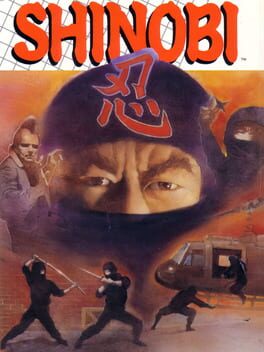 6.3
6.3