
Nintendo Entertainment Analysis & Development
Nintendo Entertainment Analysis & Development was the largest division inside Nintendo. It was preceded by the Creative Department, a team of designers with backgrounds in art responsible for many different tasks, to which Shigeru Miyamoto and Takashi Tezuka originally belonged. Both served as managers of the EAD studios and were credited in every game developed by the division, with varying degrees of involvement. Nintendo EAD was best known for its work on games in the Donkey Kong, Mario, The Legend of Zelda, F-Zero, Star Fox, Pikmin, and Animal Crossing series.
Nintendo Entertainment Analysis & Development at a Glance
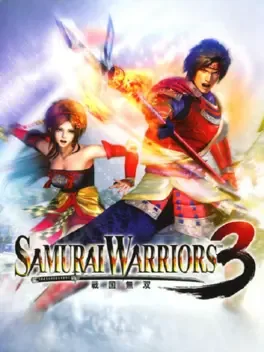
If you are browsing PlayPile looking to understand the output of Nintendo Entertainment Analysis & Development, you will find a Japanese studio founded in 1989 that operated from 1991 until 2010. This division was the largest inside Nintendo and produced 12 titles on our platform as a developer. While they never appeared as a publisher on this specific site, their work defined many of the most recognizable franchises in gaming history. The team behind these games included key figures like Shigeru Miyamoto and Takashi Tezuka, who managed the studios and held credits on every project released during this period. The studio's catalog spans several decades with a clear shift in output over time. They released six games during the 1990s, five titles throughout the 2000s, and only one game in the 2010s before their activity ceased. Their platform reach focused heavily on Nintendo hardware, with nine titles appearing on the Wii and eight on the Wii U. The Nintendo 64 hosted five of their games, while the GameCube held three. They also released content for older systems like the Super Nintendo Entertainment System and Super Famicom, as well as niche hardware such as the 64DD and Satellaview. Their genre focus was heavily weighted toward Adventure games, which made up eight of their twelve releases. They also explored Platform, Puzzle, Racing, and Real Time Strategy genres, along with single entries in Arcade, Shooter, Sport, and Hack and slash categories. Quality trends for this developer are overwhelmingly positive based on the 12 rated titles available. The average IGDB rating sits at 83.4 out of 100. Ten of their games received great scores above 80, one game earned a good rating between 60 and 79, and only a single title fell into the mixed category with a score between 40 and 59. There were no poor ratings in this dataset. Their highest acclaimed work includes The Legend of Zelda: A Link to the Past from 1991, which holds a 96.1 score, followed by Super Mario Galaxy 2 from 2010 at 92.8 and The Legend of Zelda: Ocarina of Time from 1998 at 91.6. The final years of their active period show high variance in reception. Super Mario Galaxy 2 arrived in May 2010 with a strong 92.8 score, yet Samurai Warriors 3 released just months prior in December 2009 and received a mixed 59.6 rating. This pattern suggests that while their flagship franchises maintained high standards, not every project from this division achieved the same level of critical success. Their portfolio remains one of the most consistent high-performing groups on the platform despite the limited number of titles tracked here.
Genre Breakdown
Platform Spread
Release Timeline
Rating Distribution
Highest Rated Titles
 7.2
7.2Super Mario Sunshine
 8.0
8.0Super Mario Galaxy

New Super Mario Bros. 2: Coin Challenge Pack B
 8.0
8.0Super Mario 3D Land
 97
97Super Mario Galaxy 2
NHK Kouhaku Quiz Kassen
 55
55Samurai Warriors 3
 87
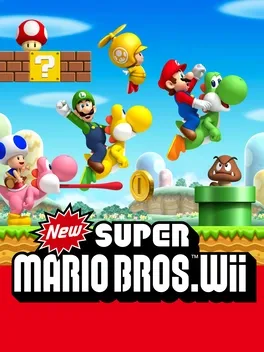
87New Super Mario Bros. Wii
 89
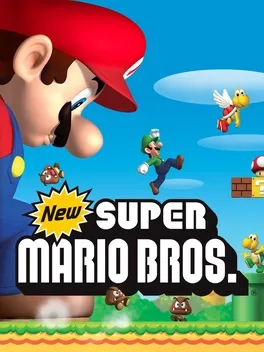
89New Super Mario Bros.
 85
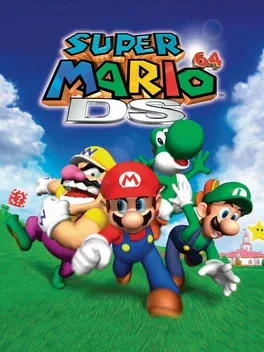
85Super Mario 64 DS
 8.7
8.7Pikmin 2
 8.9
8.9The Legend of Zelda: The Wind Waker
 92
92Super Mario Sunshine
 89
89Pikmin
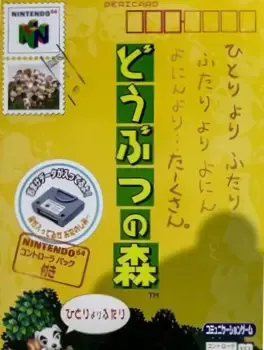
Doubutsu no Mori: Controller Pak Bundle Edition
 8.9
8.9The Legend of Zelda: Link's Awakening DX
 99
99The Legend of Zelda: Ocarina of Time
 6.8
6.81080° Snowboarding
 8.0
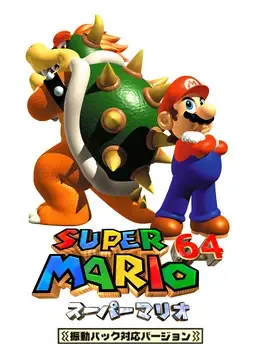
8.0Super Mario 64: Shindou Pak Taiou Version
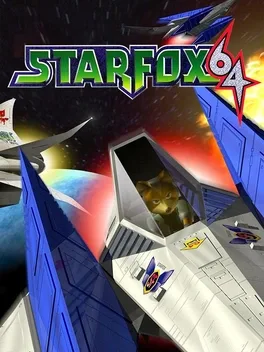 81
81Star Fox 64
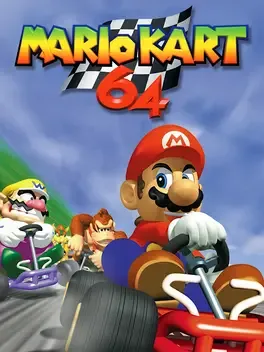 8.2
8.2Mario Kart 64
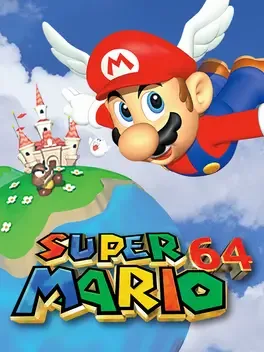 8.9
8.9Super Mario 64
BS Super Mario USA: Power Challenge - Dai-4-kai
 9.4
9.4Super Mario World 2: Yoshi's Island
 6.6
6.6Super Mario Bros. 2
 6.9
6.9Super Mario Bros.: The Lost Levels
 9.0
9.0Super Mario Bros.
 95
95The Legend of Zelda: A Link to the Past
 92
92