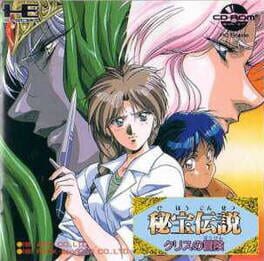
Pack-In-Video
Pack-In-Video Co., Ltd. (株式会社パック・イン・ビデオ, Kabushiki-gaisha Pakku-In-Bideo) was a Japanese video game publisher and video distributor. The games published were mostly focused on the Japanese market although a few titles have been published abroad. In October 1996, the company was merged with the video game division of Victor Entertainment and became Victor Interactive Software.
Pack-In-Video at a Glance
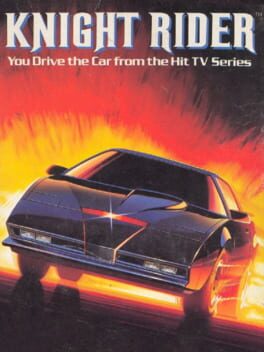
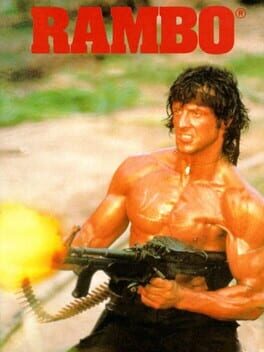
Pack-In-Video operated as a Japanese publisher and developer from 1987 until 1999 before merging into Victor Interactive Software. Their catalog on PlayPile contains 43 entries, split between 35 published titles and 16 they developed themselves. The company was most active during the 1990s with 34 games released, compared to only 8 in the 1980s. This output was heavily concentrated on the Super Famicom with 10 releases, followed by 7 titles for the Family Computer and 6 for the Turbografx-16 CD system. They also touched the Satellaview, Nintendo Entertainment System, Game Boy, PlayStation, Sega Saturn, and handheld LCD units. Their genre portfolio shows a strong preference for sports games with 11 releases. Strategy, adventure, arcade, role-playing, simulator, shooter, platform, racing, and puzzle titles round out their list. The average rating across their five rated games sits at 64.1 out of 100. This score reflects a mixed reputation rather than a consistent track record of excellence. Only one game achieved a great rating while another reached the good tier. Three titles fell into the mixed category, and no games scored below 40. Minesweeper stands out as their highest-rated work with a 90/100 score from 1991. Magical Pop'n followed in 1995 with a 64.6 rating. Rambo (1988) and Monstania (1996) received mixed scores of 59.2 and 57 respectively. Knight Rider scored the lowest at 49.9. Recent releases from their final years include Battleship in December 1999, Umi no Nushi Tsuri: Takara-jima ni Mukatte that same month, Hyper Securities 2, Nushi Tsuri 64, and Fune Tarou. Most of these late titles appeared between 1997 and 1999. The company focused mostly on the Japanese market though a few titles found buyers abroad. Their output shifted significantly after the turn of the decade as they moved toward simulators and licensed sports properties before the merger closed their doors as an independent entity.
Genre Breakdown
Platform Spread
Release Timeline
Rating Distribution
Highest Rated Titles
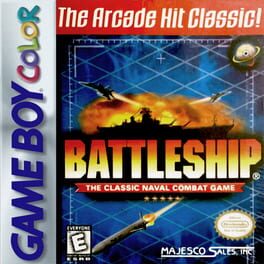
Battleship
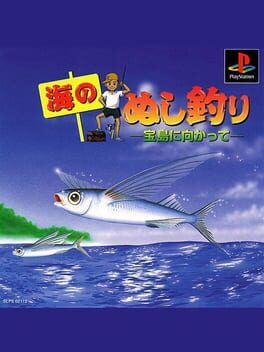
Umi no Nushi Tsuri: Takara-jima ni Mukatte
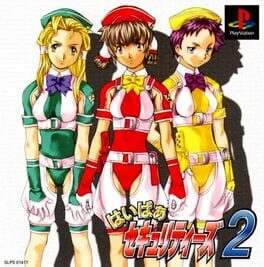
Hyper Securities 2

Nushi Tsuri 64

Fune Tarou
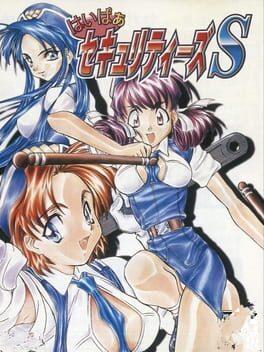
Hyper Securities S
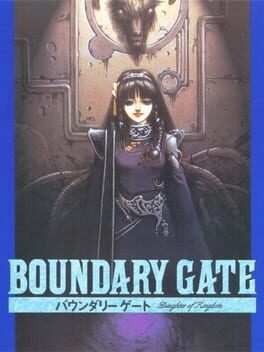
Boundary Gate: Daughter of Kingdom
 5.7
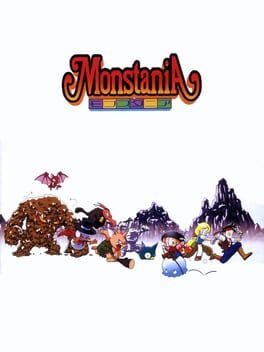
5.7Monstania
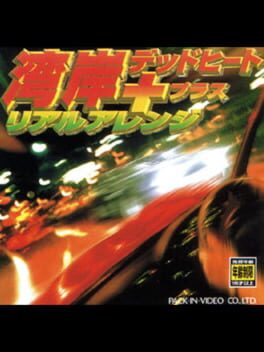
Wangan Dead Heat + Real Arrange

Umi no Nushi Tsuri
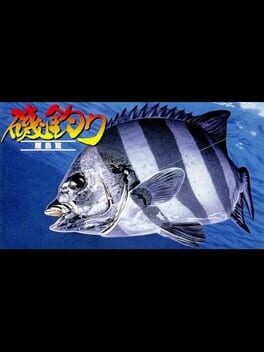
Isozuri: Ritou-hen
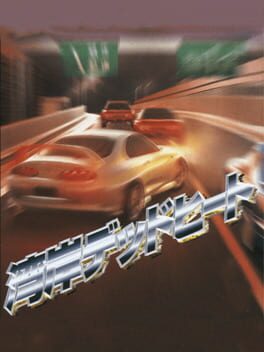
Wangan Dead Heat
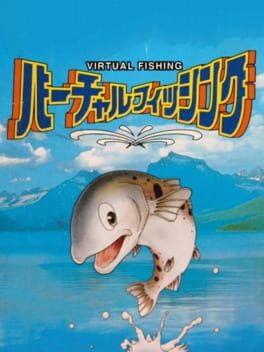
Virtual Fishing
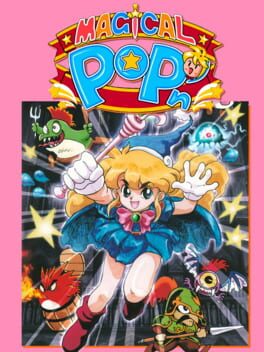 6.5
6.5Magical Pop'n
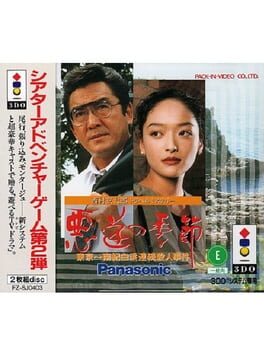
Nishimura Kyoutarou Travel Mystery: Akugyaku no Kisetsu
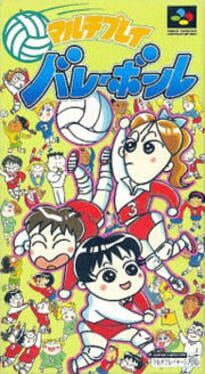
Multi Play Volleyball

Tsuri Tarou
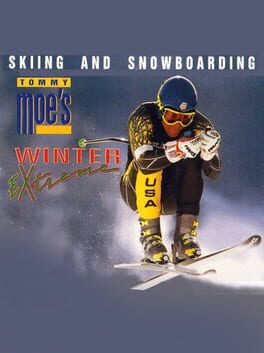
Tommy Moe's Winter Extreme: Skiing & Snowboarding
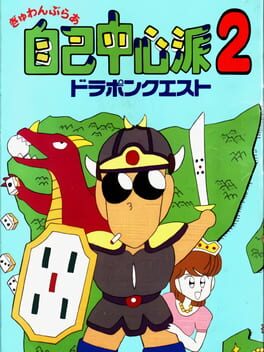
Gambler Jiko Chuushin-ha 2: Dorapon Quest
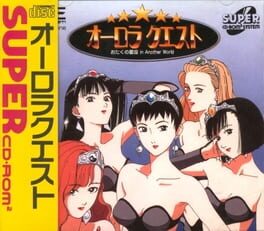
Aurora Quest: Otaku no Seiza in Another World
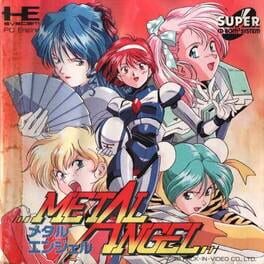
Metal Angel
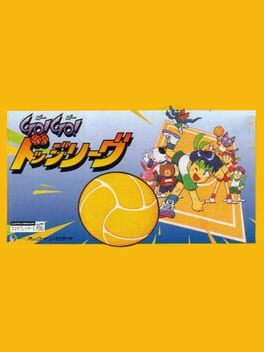
Go! Go! Dodge League
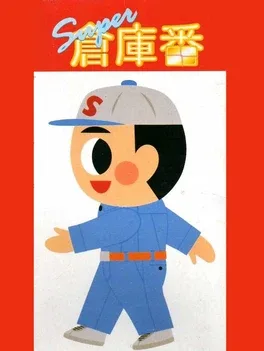
Super Sokoban
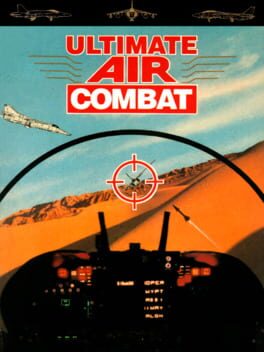
Ultimate Air Combat
Hawk F-123
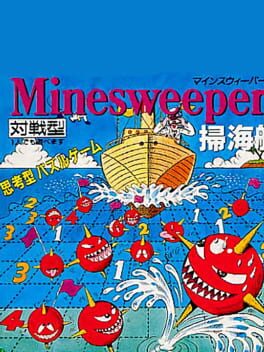
Minesweeper: Soukaitei
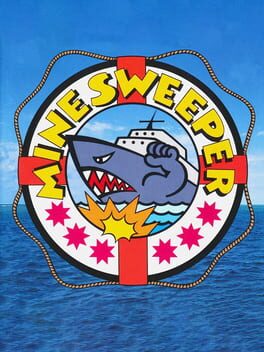 9.0
9.0Minesweeper
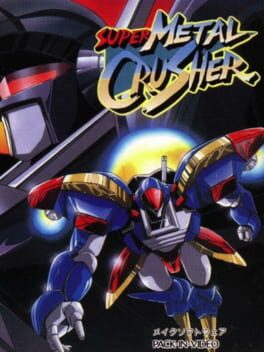
Super Metal Crusher
Road Spirits
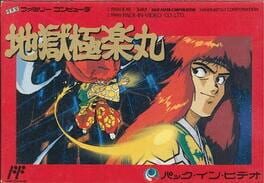
Jigoku Gokurakumaru
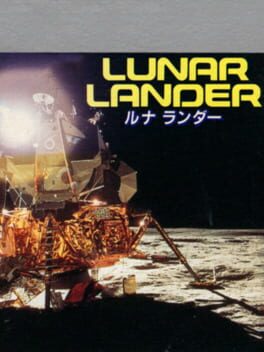
Lunar Lander
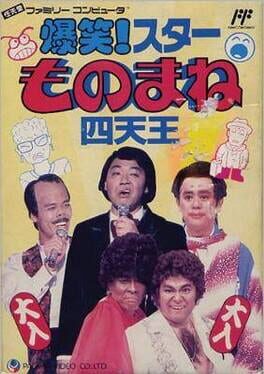
Bakushou! Star Monomane Shiten-ou

Kawa no Nushi Tsuri
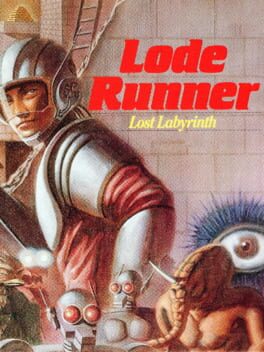
Lode Runner: Lost Labyrinth
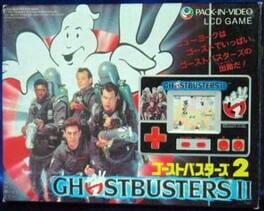
Ghostbusters II
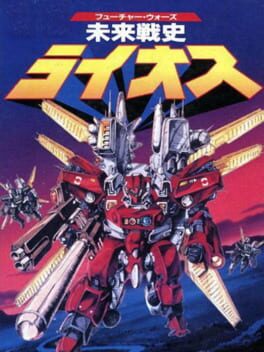
Mirai Senshi: Lios
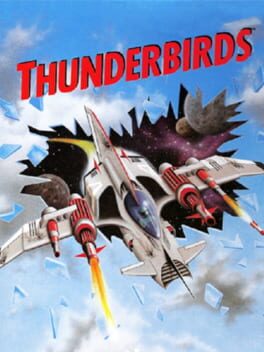
Thunderbirds
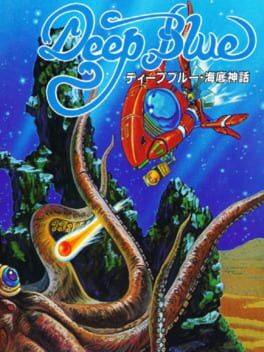
Deep Blue
 5.0
5.0Knight Rider
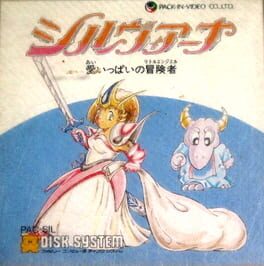
Sylviana: Ai Ippai no Boukensha
 5.9
5.9Rambo
Family Billiards