THQ
THQ Inc. is a leading worldwide developer and publisher of interactive entertainment software. The company develops its products for all popular game systems, personal computers and wireless devices. Headquartered in Los Angeles County, California, THQ sells product through its global network of offices located in North America, Europe and Asia Pacific.
THQ at a Glance
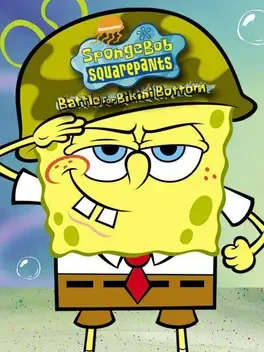
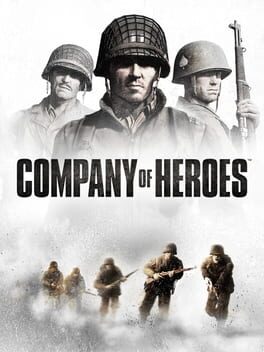
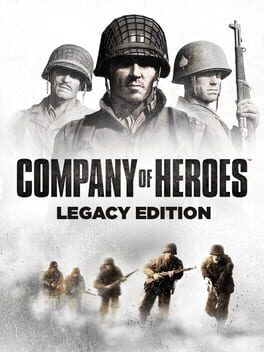
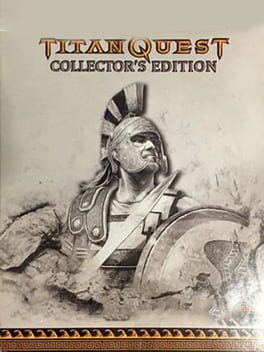
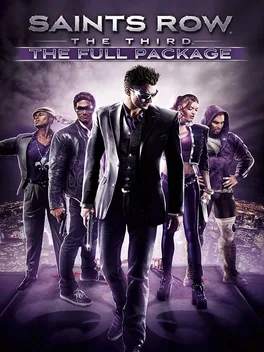
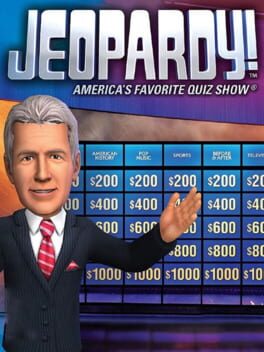
THQ operated as a major player in the industry from 1991 until it ceased activity in 2018. Based in the United States, this publisher released 442 games across its history, though they acted as the developer for only 12 of those titles. Their output was heavily concentrated in the 2000s with 309 releases, compared to just 57 games in the 1990s and 61 in the 2010s. This production volume suggests a company that ramped up significantly during the PlayStation 2 era before scaling back sharply toward the end of its existence. The catalog spans many genres, with Adventure titles leading at 157 entries. Platform games, sports simulations, and racing titles follow closely behind. Their reach was broad across hardware, covering PC, PlayStation consoles, Xbox systems, and Nintendo handhelds like the Game Boy Advance and DS. They released over a hundred games for Windows and nearly as many for the PlayStation 2. The average rating across their rated library sits at 64.5 out of 100. While they produced some standout hits like SpongeBob SquarePants: Battle For Bikini Bottom and Company of Heroes, which scored above 90, a large portion of their work landed in the mixed or good range. They also have fourteen titles rated below 40, indicating inconsistent quality control over their long run. Recent years show a decline in their portfolio's prominence. Releases from 2012 like Saints Row: The Third - The Full Package carried low scores around 54, though Jeopardy! managed a respectable 78. By 2018, the last year on record for THQ, they released Titan Quest: Collector's Edition, a strategy title that fits their broader genre mix but lacks the massive cultural footprint of their earlier hits. The company operated globally with offices in North America, Europe, and Asia Pacific, yet their final output appears to have been limited compared to their peak years in the mid-2000s.
Genre Breakdown
Platform Spread
Release Timeline
Rating Distribution
Highest Rated Titles


The Naked Brothers Band
Avatar: The Last Airbender - The Path of Zuko
 78
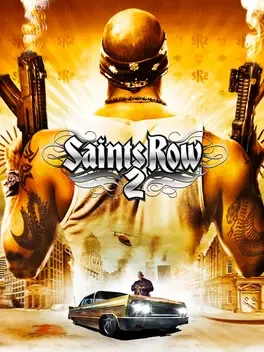
78Saints Row 2
 6.4
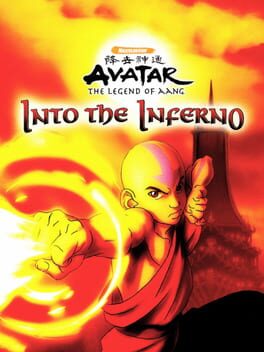
6.4Avatar: The Last Airbender - Into the Inferno
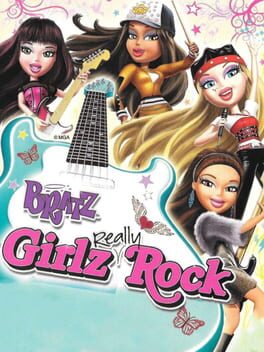
Bratz: Girlz Really Rock
 7.0
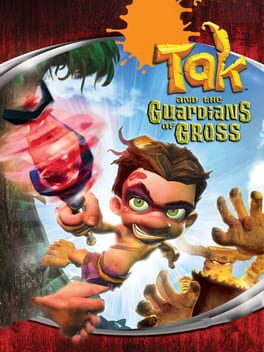
7.0Tak and the Guardians of Gross
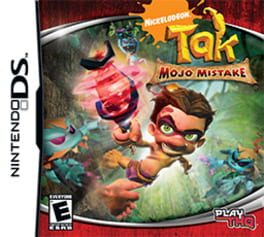
Tak: Mojo Mistake
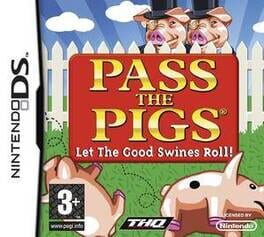
Pass the Pigs
 6.8
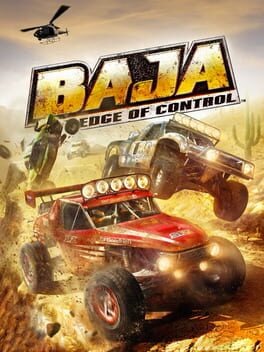
6.8Baja: Edge of Control
 7.0
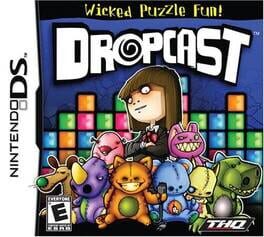
7.0DropCast
 6.8
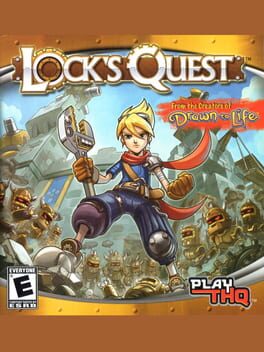
6.8Lock's Quest
 8.3
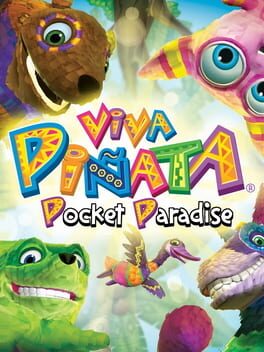
8.3Viva Piñata: Pocket Paradise
 7.2
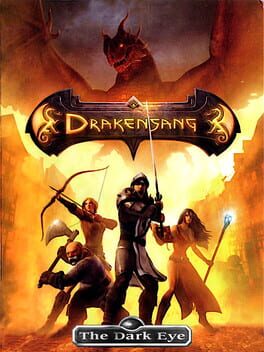
7.2Drakensang: The Dark Eye

Journey to the Center of the Earth
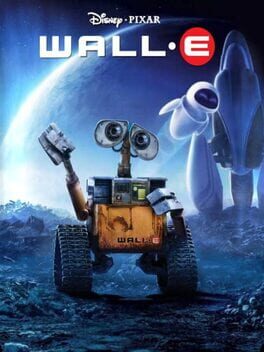
Wall-E
 6.0
6.0Big Beach Sports
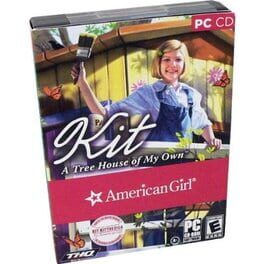
American Girl: Kit - A Treehouse of My Own
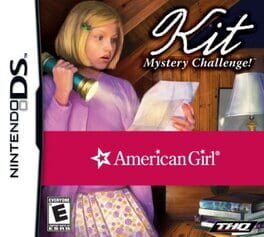
American Girl: Kit's Mystery Challenge
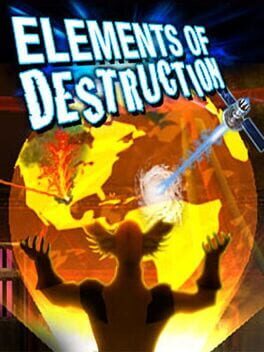 6.2
6.2Elements of Destruction
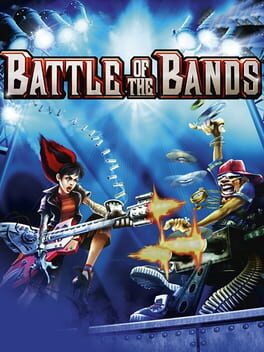 6.0
6.0Battle of the Bands
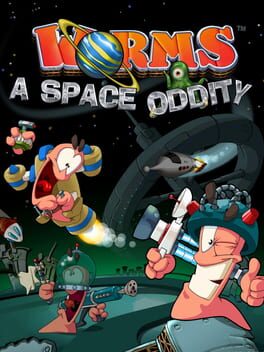 6.0
6.0Worms: A Space Oddity

Sprint Cars 2: Showdown at Eldora
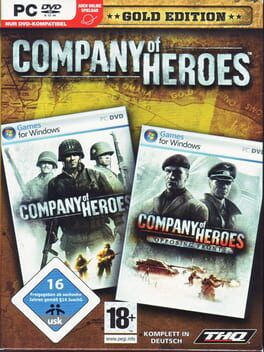 3.0
3.0Company of Heroes: Gold Edition
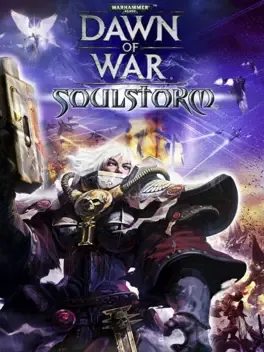 7.3
7.3Warhammer 40,000: Dawn of War - Soulstorm
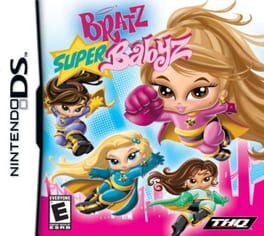
Bratz: Super Babyz
 5.1
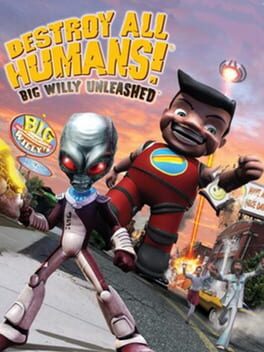
5.1Destroy All Humans! Big Willy Unleashed
 7.1
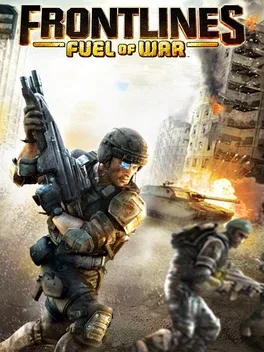
7.1Frontlines: Fuel of War
 5.4
5.4Zoo Tycoon 2 DS
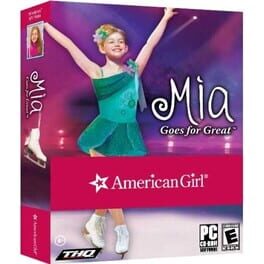
American Girl: Mia Goes For Great
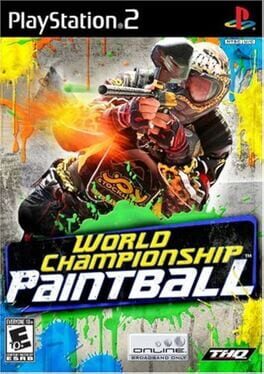
World Championship Paintball
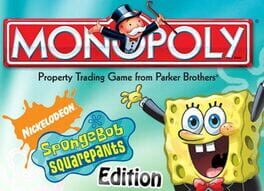
Monopoly: SpongeBob SquarePants Edition
 5.0
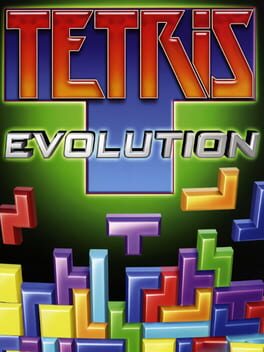
5.0Tetris Evolution
 7.0
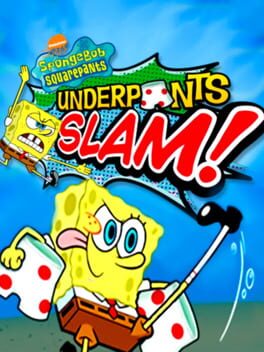
7.0SpongeBob SquarePants: Underpants Slam
 7.1
7.1MX vs. ATV: Untamed

Bratz 4 Real

American Girl: Julie Finds a Way
 3.0
3.0Screwjumper!
 5.9
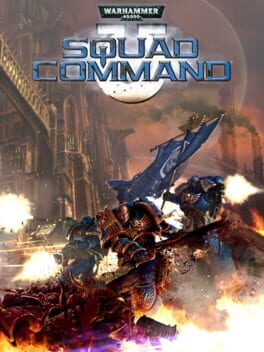
5.9Warhammer 40,000: Squad Command
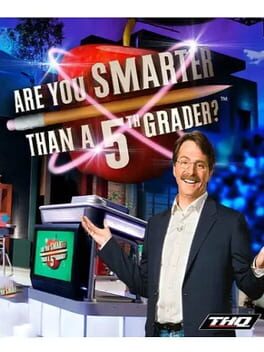
Are You Smarter Than a 5th Grader?
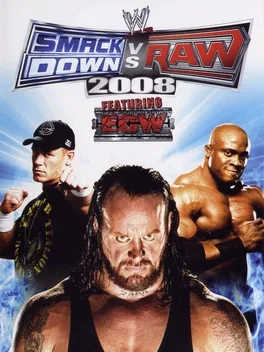 6.7
6.7WWE SmackDown vs. Raw 2008
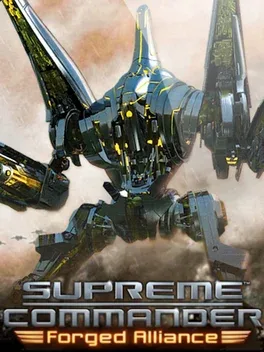 7.6
7.6Supreme Commander: Forged Alliance
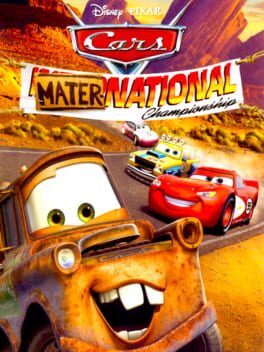 6.5
6.5Cars Mater-National Championship

Ratatouille: Food Frenzy
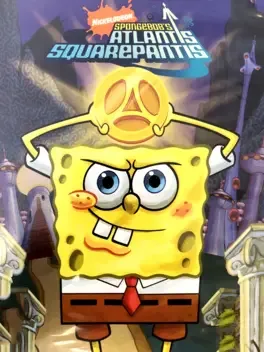 6.0
6.0SpongeBob's Atlantis Squarepantis
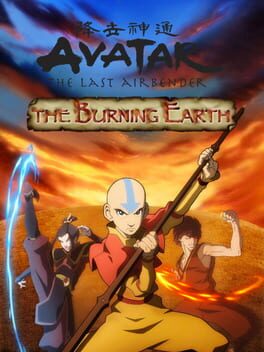 5.9
5.9Avatar: The Last Airbender - The Burning Earth
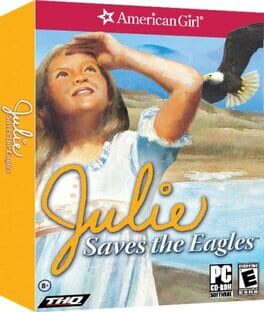
American Girl: Julie Saves the Eagles
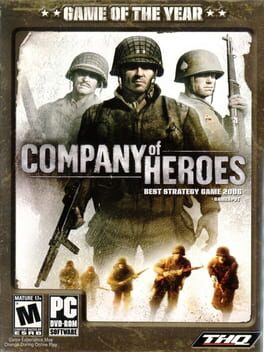
Company of Heroes: Game of the Year Edition
 6.4
6.4