Tose
Tose is a company that specializes in planning and proposal-based contracted development of game software, mobile applications, and other content.
Tose at a Glance
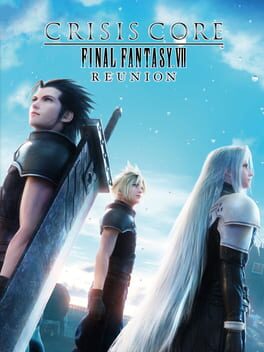
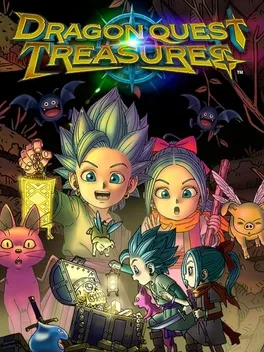
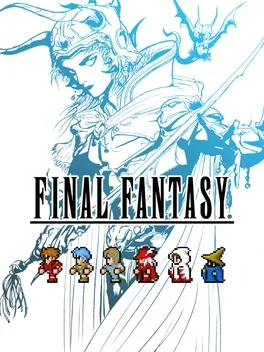
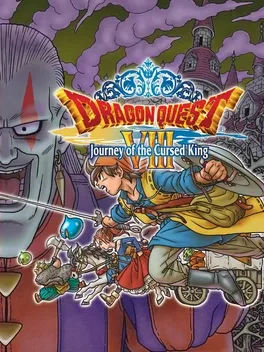
Tose is a Japanese developer founded in 1979 that has been active from 1981 through 2025. Their profile on PlayPile shows 213 total games, with the vast majority of 211 titles created as a developer rather than a publisher. The company operates across many platforms but focuses heavily on Nintendo hardware. They have released 52 games for the Family Computer and 38 for the Super Famicom. More recent work appears on the Game Boy Advance, Game Boy Color, and modern systems like the PlayStation 4 and Nintendo Switch. Genre data indicates a strong preference for Adventure titles with 69 releases, followed closely by Role-playing games at 65 entries. They have also produced significant numbers of Sport, Platform, and Strategy games. Their output volume changed dramatically over time. The company was most prolific in the 1990s with 96 games, while their production dropped to just 9 titles in the 2020s so far. Quality trends show a generally solid reputation. Out of 47 rated titles, nine received great scores above 80 and twenty-nine earned good ratings between 60 and 79. Only eight games fell into the mixed category and one was rated poorly. This suggests their work is mostly well-regarded by critics. Several high-profile projects appear in their top-rated list. Dragon Quest VIII: Journey of the Cursed King holds a score of 95.3. They also handled remakes of classic Final Fantasy titles, including Final Fantasy VI (2022) at 89.5 and Final Fantasy (2021) at 84.9. Recent releases from Tose continue this pattern of high-quality remasters and new entries in established series. Tales of Graces F Remastered came out in January 2025 with a score of 80.4. Crisis Core: Final Fantasy VII - Reunion launched in late 2022 at 77.3. Dragon Quest Treasures followed later that year with a 73.3 rating. The IGDB bio states the company specializes in planning and proposal-based contracted development for game software and mobile applications. This approach explains their long history of working on major franchises across different decades without necessarily publishing the games themselves.
Genre Breakdown
Platform Spread
Release Timeline
Rating Distribution
Highest Rated Titles
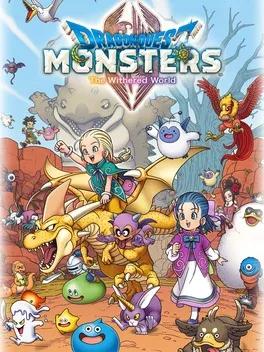
Dragon Quest Monsters: The Withered World
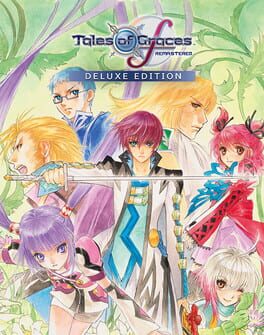
Tales of Graces F Remastered: Deluxe Edition
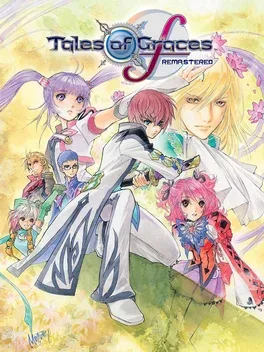
 8.0
8.0Tales of Graces F Remastered
 7.7
7.7Crisis Core: Final Fantasy VII - Reunion
 7.3
7.3Dragon Quest Treasures
 92
92Final Fantasy VI

Scarlet Nexus: Ultimate Edition
 7.6
7.6Final Fantasy V
 8.3
8.3Final Fantasy

Scarlet Nexus: Deluxe Edition

Champion Jockey: Special
 7.3
7.3World of Final Fantasy
Super Robot Wars OG: The Moon Dwellers
Dragon Quest Monsters: Joker 3
 9.5
9.5Dragon Quest VIII: Journey of the Cursed King
Dai-2-ji Super Robot Taisen OG
Dragon Quest Monsters: Terry no Wonderland 3D

Slime Mori-mori Dragon Quest 3: Daikaizoku to Shippo-dan
 7.0
7.0Champion Jockey: G1 Jockey & Gallop Racer
 5.7
5.7Resident Evil: The Mercenaries 3D

Grobda Remix
 7.8
7.8Dragon Quest Monsters: Joker 2

Puzzle Iroiro: Gekkan Crossword House Vol.1
 6.2
6.2Dead Rising: Chop Till You Drop
 7.3
7.3The Legendary Starfy
 8.0
8.0Star Ocean: First Departure

Simple Wii Series Vol. 1: The Minna de Kart Race

Simple Wii Series Vol. 2: The Minna de Bass Tsuri Taikai

Gator Panic Remix

Rally-X Remix
Galaga Remix

Pac-Motos
 7.1
7.1Dragon Quest Monsters: Joker
 8.8
8.8Final Fantasy VI Advance
 6.1
6.1Avatar: The Last Airbender
 7.5
7.5Ultimate Ghosts 'n Goblins
 6.5
6.5Naruto: Path of the Ninja 2
 6.7
6.7Densetsu no Starfy 4
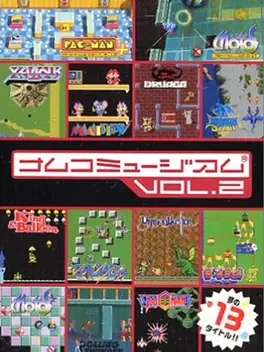
Namco Museum Vol. 2

Pac-Man Arrangement Plus
 8.2
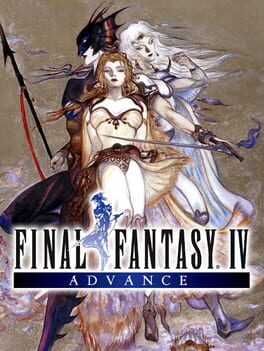
8.2Final Fantasy IV Advance
 83
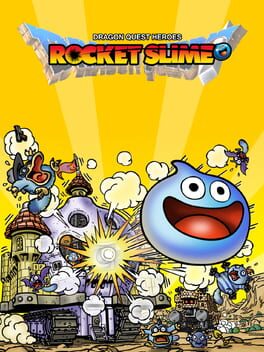
83Dragon Quest Heroes: Rocket Slime
 6.7
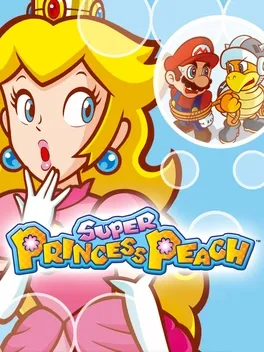
6.7Super Princess Peach
Tim Burton's The Nightmare Before Christmas: The Pumpkin King
 3.4
3.4Virtua Quest

Densetsu no Starfy 3
Slime Mori-mori Dragon Quest: Shougeki no Shippo-dan