Giga
Giga is a Japanese adult game and visual novel brand used by TGL. It is used in both regular visual novels as well as games that feature mecha with action-oriented gameplay elements.
Giga at a Glance
If you are browsing PlayPile to understand the history of Japanese adult game publishers, Giga stands out for its heavy specialization in visual novels. Founded in 1993 and operating until 2022, this company released fifty titles across their career. Their catalog shows a distinct shift over time, starting with just six games in the 1990s and nine in the 2000s. The output grew significantly in the 2010s with twenty-two releases, though it settled at thirteen titles in the 2020s before they stopped active development. The vast majority of their work focuses on the visual novel genre, which accounts for forty-one of their fifty games. They also dabbled in hack and slash or beat 'em up games with thirteen entries, along with eleven adventure titles. Their library includes five fighting games and single entries for role-playing games, simulators, and shooters. This focus explains why their platform distribution leans heavily toward PC Microsoft Windows with twenty-seven games, followed by twenty-two on PlayStation 4 and thirteen on Nintendo Switch. They also supported legacy hardware like the Sega Saturn and Dreamcast, as well as handhelds such as the PlayStation Vita and PSP. Recent activity shows they continued producing titles until at least January 2022 with releases like Glass Hime to Kagami no Juusha. Earlier that year, they put out Senkou no Clarias and several complete limited editions for games like Parfait Remake and Fuyu Kiss. According to available data from IGDB, Giga operated as a brand for TGL, creating both standard visual novels and action-oriented titles featuring mecha elements. Their ratings on PlayPile vary widely, with many recent entries receiving mixed feedback. While some older titles hold better standing, the overall quality is inconsistent across their large catalog of adult games. You will find that their later years saw a focus on remakes and complete editions rather than entirely new IPs. This strategy did not significantly alter the reception pattern found in their earlier work.
Genre Breakdown
Platform Spread
Release Timeline

Glass Hime to Kagami no Juusha

Senkou no Clarias

Fuyu Kiss

Parfait Remake: Complete Limited Edition

Fuyu Kiss: Complete Limited Edition

Full Kiss S

Sakaagari Hurricane Portable: Complete Limited Edition

Aikiss 2

Aikiss 2: Complete Edition
Jinki Resurrection

Koi Suru Otome to Shugo no Tate: Re:boot the "Shield-9"

Love Clear

Love Clear: Limited Edition
Baldr Sky Dive2: Recordare
Aonatsu Line

Full Kiss

Full Kiss: Limited Edition

Soi Kano: Gyutto Dakishimete

Baldr Bringer Extend Code

Mell Kiss

Baldr Bringer

Amaekata wa Kanojo Nari ni

Repkiss

Kimi no Hitomi ni Hit Me

Baldr Heart EXE

Baldr Heart

Harvest OverRay

Baldr Sky: Zero 2

Baldr Sky "Zero"

Material Brave Ignition

Kiss Bell

Ano Ko wa Ore kara Hanarenai

Material Brave

 10.0
10.0Hotch Kiss

Sakaagari Hurricane Portable

Baldr Sky DiveX "Dream World"
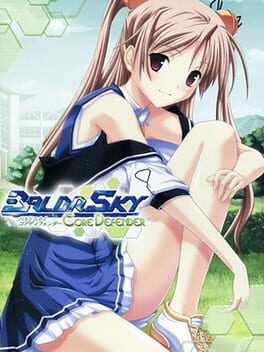
Baldrsky: Core Defender

Kono Aozora ni Yakusoku wo

Parfait: Chocolat Second Brew

Chocolat: Maid Cafe "Curio"

Baldr Force

V.G. Re-birth
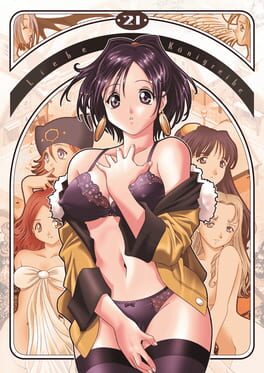
Koisuru Oukoku

Baldr Bullet
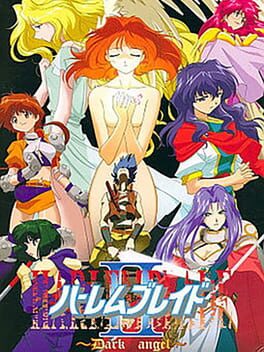
Harlem Blade II: Dark Angel
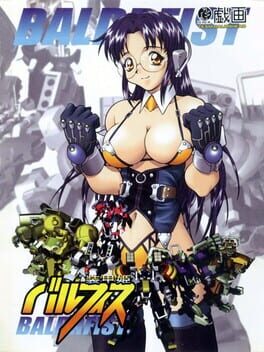
Baldr Fist

Baldrhead: Busou Kinyuu Gaiden