Imagine Software
Imagine Software was a British video games developer based in Liverpool which existed briefly in the early 1980s, initially producing software for the ZX Spectrum and VIC-20. The company rose quickly to prominence and was noted for its polished, high-budget approach to packaging and advertising (at a time when this was not commonplace in the British software industry), as well as its self-promotion and ambition. Following Imagine's high-profile demise under mounting debts in 1984, the name was bought and used as a label by Ocean Software until the late 1980s.
Imagine Software at a Glance
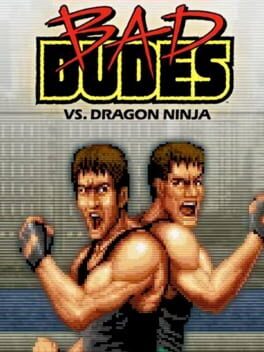
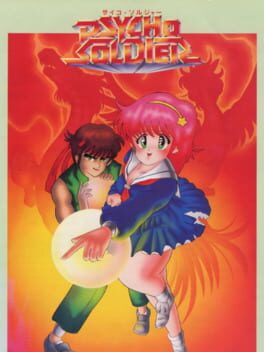
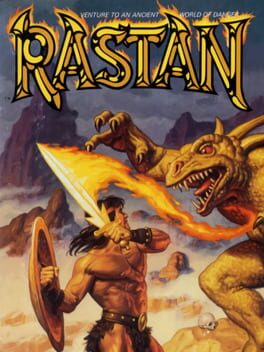
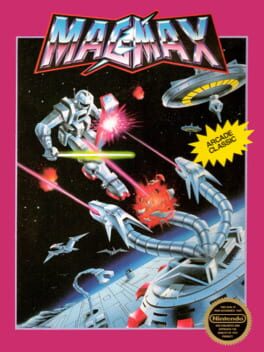
Imagine Software started as a British developer in Liverpool in 1982. The company focused heavily on the ZX Spectrum, where it released 26 titles, followed by the Commodore C64 with 19 games and the Amstrad CPC with 13. Their catalog contains 33 entries on PlayPile, split between 29 as a publisher and 12 as a developer. Most of their work falls into the Arcade genre with 25 games, while Shooters make up 14 titles and Platformers account for 9. They also produced Fighting games, Hack and slash titles, Adventure games, Sports, Racing, Simulators, and Strategy games to fill out their list. The data shows a sharp drop in activity after the mid-1980s. Imagine Software released 31 games during the 1980s, but only one title appeared in the 1990s and another in the 2020s. Their original run ended quickly due to financial trouble in 1984, though the brand name continued under Ocean Software until the late 1980s. This history explains why their output is so concentrated in a short period rather than spanning multiple decades of steady production. Quality ratings for Imagine Software are mostly average with no standout masterpieces. Across eight rated titles, they hold an average score of 62.4 out of 100. Their breakdown shows five games rated as good, three as mixed, and none rated as great or poor. MagMax from 1986 leads their list with a 77 rating, followed by Target: Renegade at 76.2. Bad Dudes vs. Dragon Ninja scored 69.8, while Rastan sits at 68.2. Psycho Soldier is the lowest rated of their top titles with a 62.7. Recent entries like Attic Archive in September 2025 suggest the label is still active in some capacity, but the bulk of their recognizable work comes from the late 1980s era. The company was known for high-budget packaging and aggressive advertising when these practices were rare in the industry. Their ambition grew quickly until debts caused a collapse in 1984. Today, you can find their games on platforms ranging from the Atari ST to MSX and modern Windows PCs, but the volume of new content is low compared to their initial burst of activity in the early days of the home computer market.
Genre Breakdown
Platform Spread
Release Timeline
Rating Distribution
Highest Rated Titles
Attic Archive
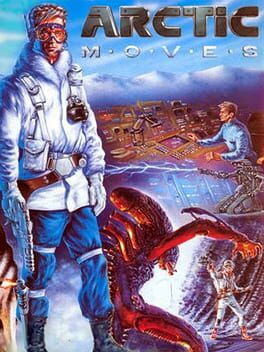
Arctic Moves
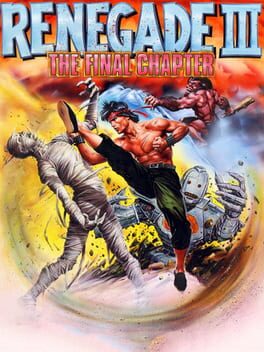
Renegade III: The Final Chapter
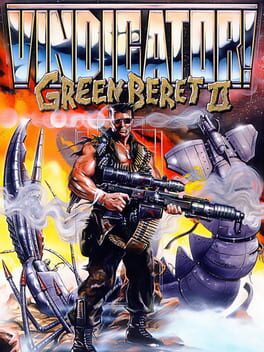
Vindicator
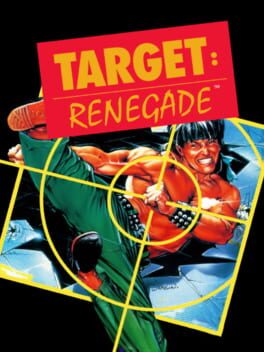
 7.6
7.6Target: Renegade
 7.0
7.0Bad Dudes vs. Dragon Ninja
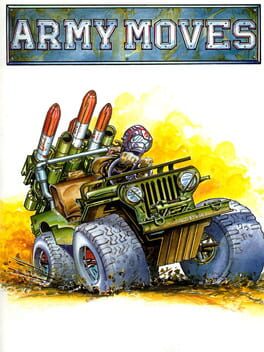
Army Moves
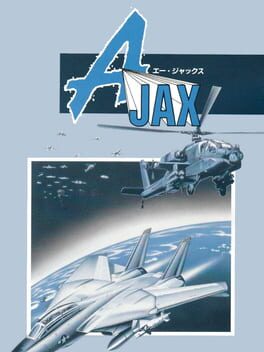
Ajax
 6.3
6.3Psycho Soldier
 6.8
6.8Rastan
 4.9
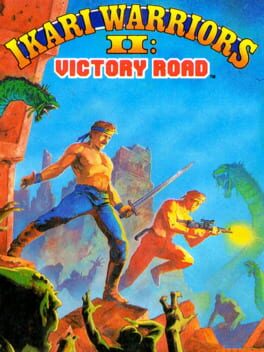
4.9Ikari Warriors II: Victory Road
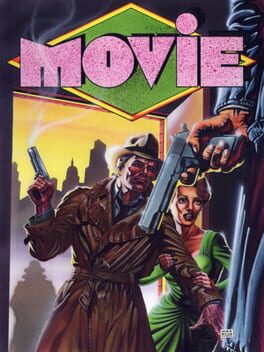
Movie
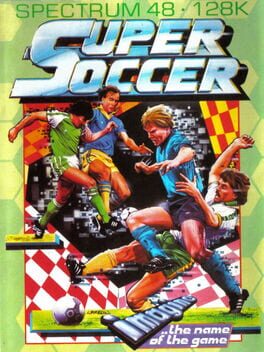
Super Soccer
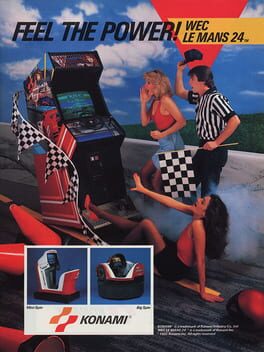
WEC Le Mans 24
 7.7
7.7MagMax

Hyper Sports
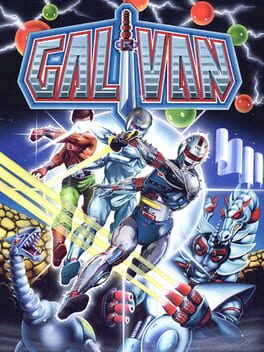
Cosmo Police Galivan
 5.3
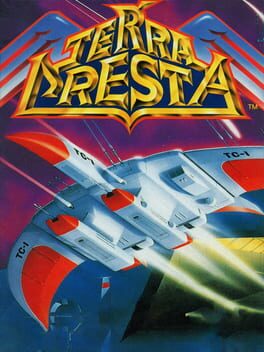
5.3Terra Cresta
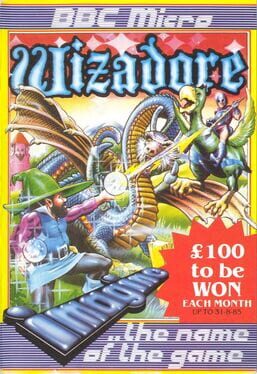
Wizadore
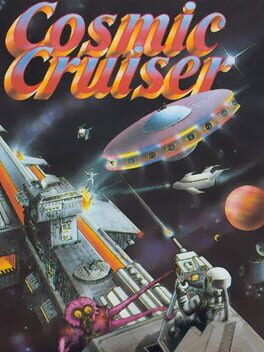
Cosmic Cruiser
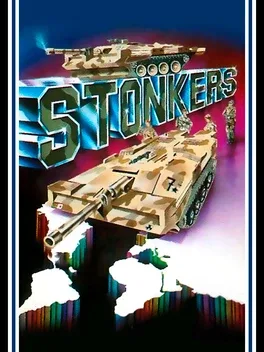
Stonkers

Pedro
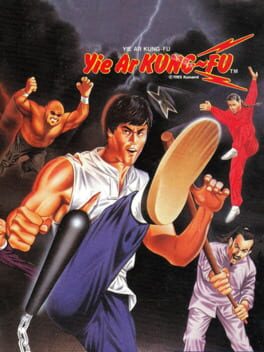 4.3
4.3Yie Ar Kung-Fu

Alchemist
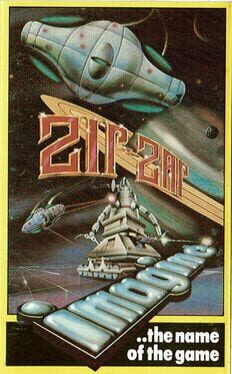
Zip Zap

Catcha Snatcha
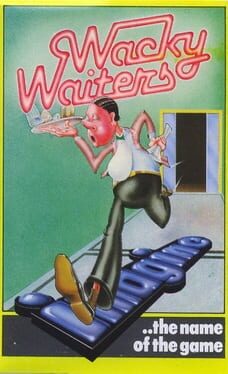
Wacky Waiters
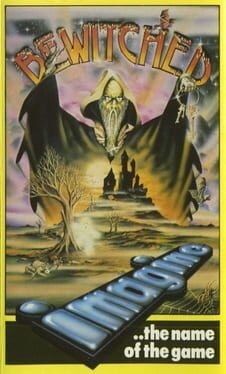
Bewitched
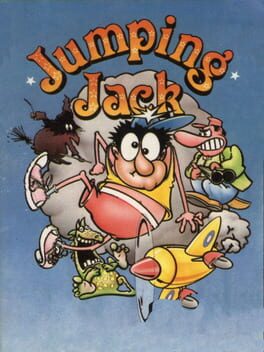
Jumping Jack
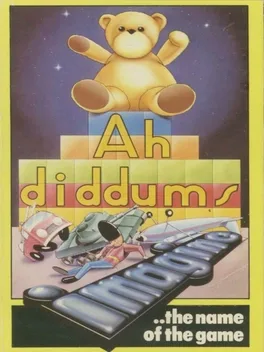
Ah Diddums
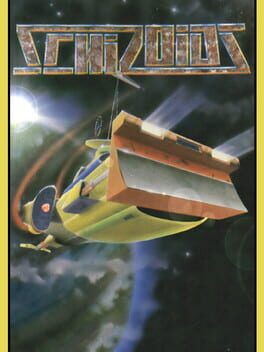
Schizoids
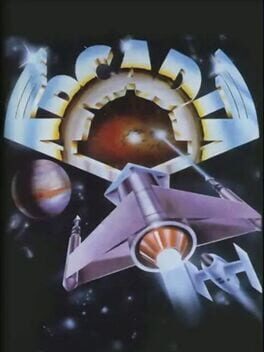
Arcadia
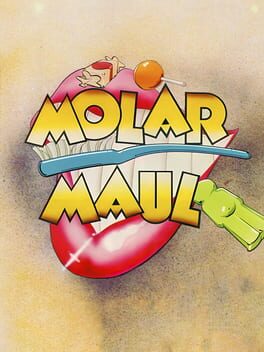
Molar Maul