Technos Japan
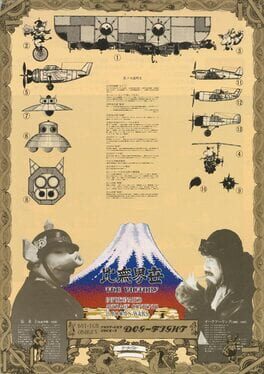
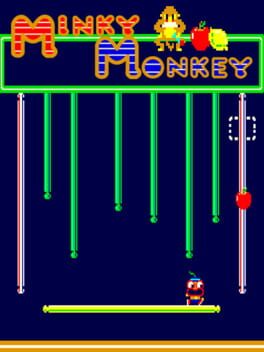
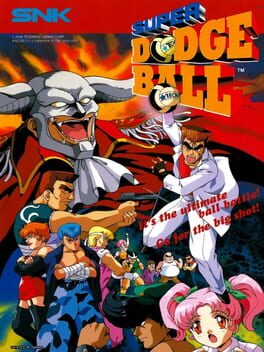
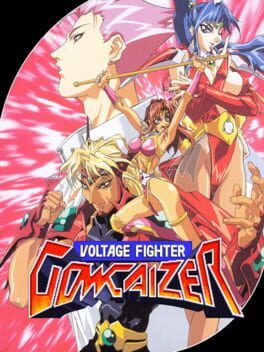
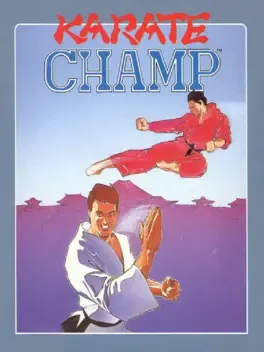
Technōs Japan Corp. was a Japanese video game developer, best known for the Double Dragon and Kunio-kun (which includes Renegade, Super Dodge Ball and River City Ransom) franchises. As of June 2015, Arc System Works owns the intellectual properties of Technōs Japan. Initially operating from a single-room apartment, Technōs was founded in 1981 by three staff members of Data East. Their first game was Minky Monkey, released in 1982. A few months after their foundation, a lawsuit was brought up against the company by Data East under allegations that Technos had stolen data from Data East's arcade game Pro Tennis with the intent of producing and selling a bootleg of it.[3] The two companies settled in August 1983 and Technos would go on to create two arcade games published by Data East, Tag Team Wrestling and Karate Champ. Technōs Japan's earlier games were published by other companies, as Technōs at the time did not have the economical resource to distribute their own games. Nekketsu Kōha Kunio-kun ("Hot Blooded Tough Guy Kunio"), a side-scrolling beat-em-up released in 1986 about a high school student who fought thugs and delinquents from other schools, was the company's first big hit in Japan. Kunio-kun was released in the west as Renegade with the game's graphics changed to make the game marketable in the overseas market. Technōs would then produce a Nintendo Entertainment System version of the game, which would be Technōs' first game for the home console market. Technōs Japan's subsequent arcade beat-em-up, Double Dragon, was a big success worldwide when it was released in 1987, leading to the production of an NES version of the game, as well as licensed versions by other companies for various platforms. The success of Kunio-kun led to the production of numerous spin-offs and sequels starring the same character produced for the 8-bit Family Computer platform in Japan and later for the Game Boy and Super Famicom, resulting in more than twenty games starring Kunio by the mid-1990s, many of which were rule-bending sports games. A few Kunio-kun games were localized for the North American market; namely Super Dodge Ball, River City Ransom (considered by critics to be a cult classic[citation needed]) and Nintendo World Cup, but none maintain any connection with each other. Technōs would attempt to remedy this by attempting to localize several Kunio-kun under the Crash 'n the Boys label, but only Crash 'n the Boys: Street Challenge was released (the game's ending features a teaser for Ice Challenge, which was unreleased). Technōs also released two arcade sequels to Double Dragon: Double Dragon II: The Revenge in 1988 and Double Dragon 3: The Rosetta Stone in 1990 (the latter was developed by an external development team at East Technology), and produced the respective NES versions of those games, as well as Super Double Dragon in 1992, an original installment for the Super NES. An American-produced Double Dragon animated series and a live-action film were also made as well. Outside the Double Dragon and Kunio-kun games, Technōs produced a few original games for the arcade and home markets such as U.S. Championship V'Ball, The Combatribes and Shadow Force, as well as two WWF arcade games (WWF Superstars and WWF Wrestlefest), but most of these games did not achieve the same kind of success that Kunio-kun and Double Dragon achieved. The company's last games were produced for the Neo Geo hardware, which include a Double Dragon fighting game based on the movie, their second and last fighting game Voltage Fighter Gowcaizer, and a Neo-Geo sequel to Super Dodge Ball. By 1996, Technōs Japan declared bankruptcy and ceased operations. Some of the developers who worked on the Neo Geo titles (including Kengo Asai) briefly worked at Face, a former affiliate of SNK. Following the closure, a licensing company named Million Co., Ltd was formed to purchase the former intellectual properties of Technōs Japan. Million continued to produce new games such as Super Dodge Ball Advance, Double Dragon Advance and River City Ransom EX for the Game Boy Advance, Super Dodgeball Brawlers for the Nintendo DS, as well as reissuing older titles via the Virtual Console and other services. On June 11, 2015, Arc System Works announced they had acquired all intellectual properties of Technōs Japan from Million Co., Ltd.
Technos Japan at a Glance
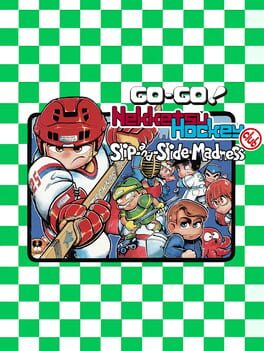
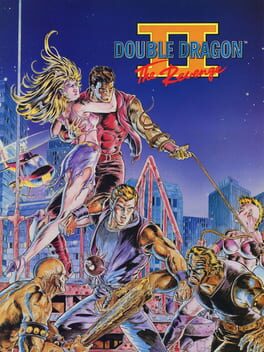
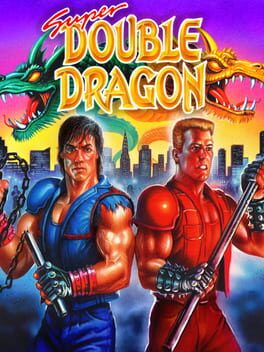
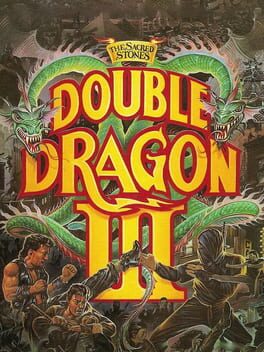
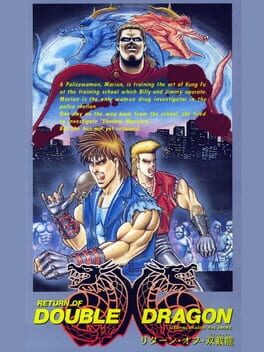
Technos Japan was a Japanese developer founded in 1981 that produced 55 games across their active years from 1982 to 2018. While the original company ceased operations in 1996, their intellectual properties were later acquired by Arc System Works, allowing new entries like Return of Double Dragon to appear as recently as July 2018. Their catalog is heavily concentrated on arcade hardware with 23 releases, followed by 13 titles for the Super Famicom and 11 for the Family Computer. The company showed a clear shift in output over time, releasing 19 games in the 1980s and 35 in the 1990s before dropping to just one game in the 2010s after their initial closure. Genre focus centered on sport with 20 titles, fighting games with 19 entries, and hack and slash or beat 'em up games with 17 releases. They also dabbled in arcade, adventure, and puzzle categories, but rarely ventured into shooters or role-playing games. The overall quality of their work shows a mixed track record. Their average IGDB rating sits at 61.7 out of 100 across the 14 titles that have been rated. This score reflects a split between high praise and significant criticism, with only two games receiving great ratings above 80, five falling into the good range, six landing in the mixed bracket, and one rated as poor. The most successful titles include Go-Go! Nekketsu Hockey Club Slip-and-Slide Madness from 1992 with a score of 81.6 and Kunio-kun's Nekketsu Soccer League from 1993 at 81.4. Double Dragon II: The Revenge also earned a strong 77.9 rating, while Super Double Dragon received 75. Recent releases do not maintain the same level of acclaim as their classics. The 2018 Return of Double Dragon did not receive a high score in the available data, and the 1995 Double Dragon entry holds a low 55.3 rating. Their early history involved legal trouble with Data East before finding success with Kunio-kun and Double Dragon, which defined their legacy despite the eventual bankruptcy that ended their original run.

 4.0
4.0