Top 25 Single-Player Games Every Veteran Should Play
Single-player games have always been the heart of gaming, offering immersive stories, challenging mechanics, and unforgettable worlds. From the pixel-perfect precision of 16-bit classics to the spr...
October 16, 2025 · 12 min read
Been gaming since the PS1 days. I have opinions and I'm not afraid to share them. If a game respects my time, I'll respect it back.
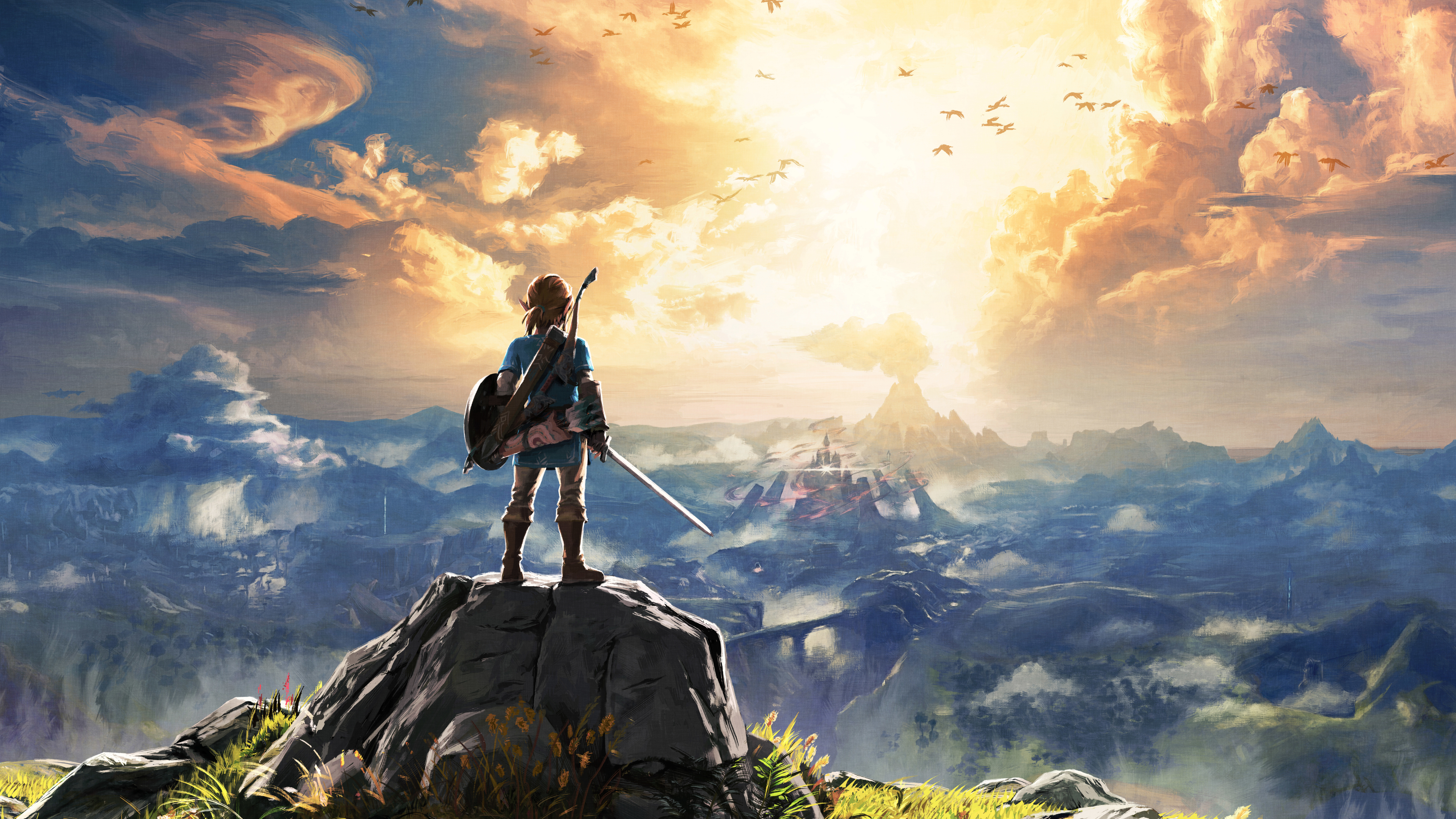
Single-player games have always been the heart of gaming, offering immersive stories, challenging mechanics, and unforgettable worlds. From the pixel-perfect precision of 16-bit classics to the sprawling open worlds of modern epics, the best single-player games transport you into experiences that feel personal, profound, and often timeless. Here’s our curated list of the best single-player games of all time, each chosen for its unique contribution to the medium. Whether you’re chasing adventure, strategy, or narrative depth, these titles deliver everything a solo playthrough should be.
1. Our Pick for Best Classic Adventure
The Legend of Zelda: A Link to the Past
Nintendo EAD · Nintendo
Dec 2, 2002
The Game Boy Advance port of A Link to the Past has some small design differences with the original version, like Link's voice and an additional qu…
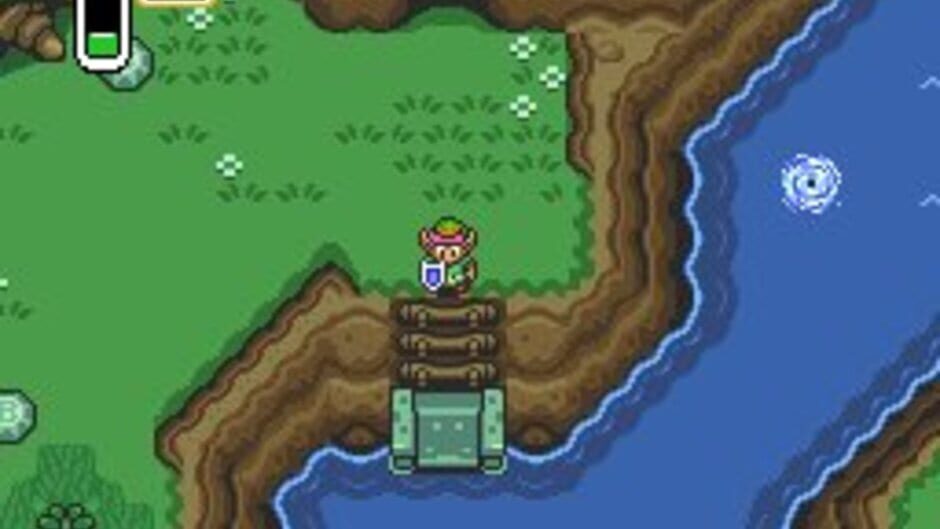
The Legend of Zelda: A Link to the Past redefined the adventure genre in 1991. This SNES masterpiece blends top-down exploration with 3D dungeons, using the groundbreaking “Magic Mirror” to toggle between light and dark worlds. The game’s 32 dungeons are masterclasses in puzzle design, each requiring creativity and persistence. What sets it apart is its balance of simplicity and depth - you start with just a sword and slingshot, but the acquisition of tools like the Hookshot and Pegasus Boots opens up the world in breathtaking ways. Its influence is undeniable; nearly every Zelda game that followed owes its lineage to this title.
What makes A Link to the Past a timeless pick? It’s the game’s ability to feel both nostalgic and fresh. The split-screen magic system, which allowed seamless transitions between parallel worlds, was revolutionary for its time. Even now, its hand-drawn maps and dungeon layouts retain a charm that digital environments often miss. If you want to understand why Zelda remains Nintendo’s flagship franchise, start here. It’s not just a game - it’s a blueprint for adventure itself.
2. Our Pick for Best Immersive Exploration
Super Metroid is a masterstroke of environmental storytelling and tension. Released in 1994, this sci-fi action-platformer is less about combat and more about discovery. Samus Aran’s journey through the hauntingly beautiful planet Zebes unfolds gradually, with each new ability (like the Grapple Beam or Power Bomb) revealing hidden areas and clues about the Metroids’ fate. The game’s non-linear design rewards curiosity, as backtracking becomes a thrilling exercise in uncovering secrets. It’s a game that trusts you to piece together its narrative through exploration.
What truly elevates Super Metroid is its pacing and atmosphere. The eerie silence of the Chozo Ruins or the oppressive dread of the Brinstar Depths is matched only by its emotional payoff. By the time you confront Mother Brain, you’re not just a player - you’re part of Samus’s journey. This game isn’t just about shooting things in space; it’s about the thrill of the unknown and the satisfaction of mastering a world that feels alive. If you crave a game that makes every step feel meaningful, this is your pick.

3. Our Pick for Best Platformer Value
Super Mario World is a marvel of efficiency. Released in 1990 for the SNES, it’s the game that proved platforming could be as much about creativity as it was about reflexes. The iconic Yoshi mechanic added a layer of strategy to level design, letting you ride, eat enemies, and even lay eggs. The world map, with its interconnected levels and hidden exits, is a masterclass in nonlinear design. It’s a game that feels massive but never overwhelming, offering players a sense of freedom that was unheard of in 1990.
What makes Super Mario World a timeless gem is its accessibility and replayability. The game’s challenge is balanced with charm, and the inclusion of multiple difficulty modes (like the “Hard Mode” for veterans) ensures it caters to all skill levels. With its vibrant graphics, catchy soundtrack, and countless secrets, it’s a game that rewards exploration. If you’re looking for a platformer that’s as fun to revisit as it was to play for the first time, look no further.
4. Our Pick for Best Strategy RPG
Suikoden II is a sprawling tale of war and redemption that redefined the JRPG genre. Building on the first game’s 108-star prophecy, this sequel shifts focus to warlord Gremio and his quest for peace. The tactical battles, which blend real-time and turn-based mechanics, are as strategic as they are chaotic. Managing a roster of over 100 characters, each with unique skills and backstories, adds a layer of depth that few games match. It’s a game that demands commitment, rewarding players with a story that’s as epic as it is tragic.
What sets Suikoden II apart is its moral complexity. Unlike many RPGs, it avoids clear-cut heroes and villains, instead presenting a war where every choice has consequences. The narrative’s emotional weight is matched by its gameplay, with battles that feel like a dance of calculated risk. If you want a game that challenges you to think critically while telling a story that lingers, this is the pick. It’s a rare gem that balances strategy, storytelling, and soul.
5. Our Pick for Best Open World Action
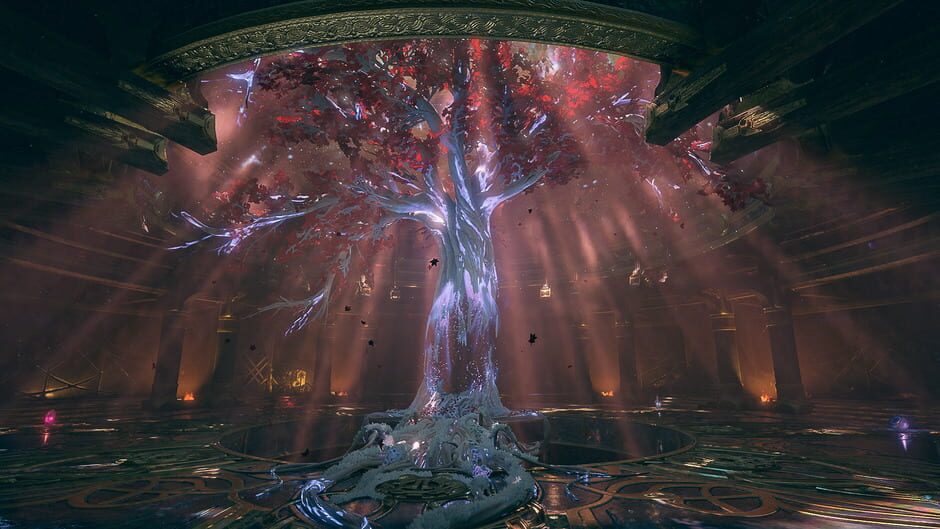
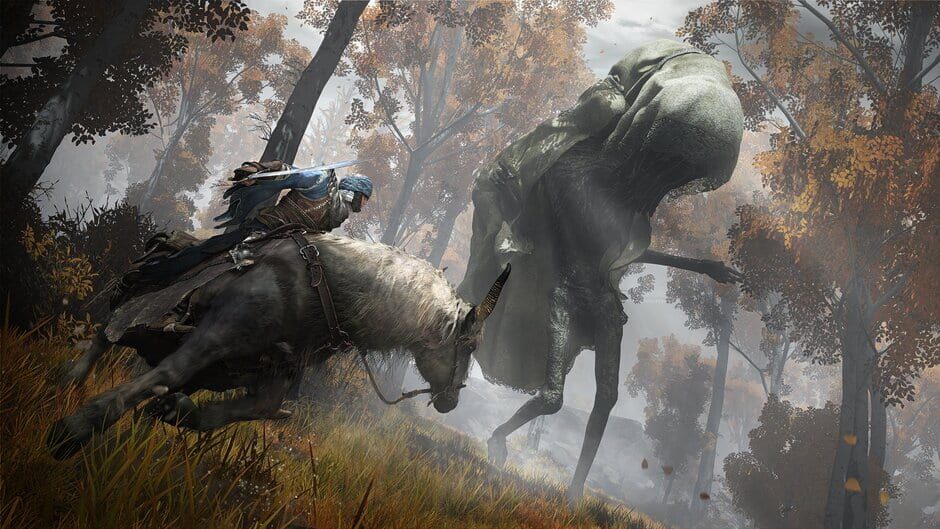
Elden Ring is a triumph of modern design, blending FromSoftware’s signature difficulty with an open-world scale that feels unprecedented. As the Tarnished, you traverse a fractured realm filled with ancient ruins, sprawling landscapes, and cryptic lore. The combat is relentless and precise, with a fluidity that rewards mastery of parrying, dodging, and positioning. What makes Elden Ring stand out is its world design - every ruin, enemy, and NPC feels like a piece of a larger puzzle, inviting exploration rather than forcing it.
What elevates Elden Ring is its ambition. The collaboration between Hidetaka Miyazaki and George R.R. Martin results in a world that’s as haunting as it is beautiful. The game’s lack of hand-holding means you’ll often feel lost, but that’s part of the experience. Every death, every discovery, and every boss fight feels earned. If you want a game that challenges you to think creatively and rewards persistence, Elden Ring is the pinnacle of action RPGs. It’s not just a game - it’s an odyssey.
6. Our Pick for Best Narrative Drama
The Last of Us Remastered is a masterclass in storytelling through gameplay. The tale of Joel and Ellie’s journey through a post-apocalyptic America is as gripping as it is uncomfortable. The game’s horror elements are subtle but effective, using scarcity, tension, and moral ambiguity to keep you on edge. What makes this game unforgettable is its refusal to offer easy answers - every choice feels like a compromise, and every death carries weight.
Remastered for PS4, the visuals and audio enhancements elevate the experience without changing the core. The combat is brutal but purposeful, with a focus on stealth and resource management that mirrors the scarcity of the world. If you’re looking for a game that will make you question humanity and your own ethics, The Last of Us is a must-play. It’s a story that lingers long after the credits roll, and the remaster ensures it’s as impactful as ever.
7. Our Pick for Best Modern Turn-Based Strategy
Baldur’s Gate III is a love letter to classic RPGs, faithfully translating the mechanics of D&D 5e into a digital experience. The game’s turn-based combat is deep and tactical, with abilities, statuses, and positioning that demand careful planning. The narrative, which follows a group of characters battling an ancient evil, is rich with branching choices that feel meaningful. What sets it apart is its attention to detail - every spell, item, and dialogue option feels like it was pulled straight from a D&D session.
What makes Baldur’s Gate III a standout is its accessibility. While it’s a complex game, the UI and tutorials guide you through the mechanics without feeling overwhelming. The game’s scale is impressive, with a world that feels alive and interconnected. If you want a game that lets you play as the hero, the rogue, or even the villain, this is the pick. It’s a rare blend of old-school strategy and modern polish that appeals to both RPG veterans and newcomers.
8. Our Pick for Best Open World Innovation
The Legend of Zelda: Breath of the Wild redefined what an open-world game could be. Released in 2017, it eschews traditional structure in favor of organic exploration. You’re free to climb mountains, glide across fields, and tackle dungeons in any order. The physics engine and dynamic weather create a world that reacts to your actions in surprising ways, from using fire to melt ice to using paragliders for creative traversal. It’s a game that trusts you to figure things out, offering minimal guidance and maximum freedom.
What makes Breath of the Wild revolutionary is its design philosophy. Every enemy, item, and terrain feature feels like part of a cohesive system that rewards experimentation. The game’s challenge is in its subtlety - many secrets are hidden in plain sight, waiting for you to notice. If you want a game that makes you feel like a true hero in a living world, this is the pick. It’s a modern classic that reinvigorated the open-world genre.
9. Our Pick for Best Stealth Story
Metal Gear Solid 3: Subsistence is a masterclass in blending stealth gameplay with a gripping narrative. Set in a fictional Cold War-era, the game follows Solid Snake as he infiltrates a Soviet bioweapon facility. The stealth mechanics are intuitive and punishing, requiring you to use the environment, disguises, and timing to avoid detection. What sets it apart is its emotional depth - Snake’s transformation from a hardened soldier to a man questioning his mission is as compelling as the gameplay.
The game’s attention to detail is staggering. From the realistic survival mechanics (like hunger and fatigue) to the nuanced AI, every element feels like it was designed to challenge and immerse. The story’s twists and themes of identity and humanity make it a thought-provoking experience. If you want a game that rewards patience and critical thinking, Metal Gear Solid 3 is a timeless classic. It’s a game that demands your full attention and rewards it with a story that stays with you.
10. Our Pick for Best JRPG Legacy
Final Fantasy III (known as Final Fantasy VI in Japan) is a landmark in the JRPG genre. Its plot, which centers on a warlord named Kefka who descends into madness, is as dark as it is impactful. The game’s class system allows you to customize your party in countless ways, blending magic, combat, and support roles to suit your playstyle. What makes it stand out is its ambition - its story tackles themes of war, identity, and redemption with a maturity rarely seen in 16-bit games.
The game’s scale is impressive for its time, with a cast of over 20 playable characters and a world that feels vast despite the technical limitations. The soundtrack, composed by Nobuo Uematsu, is a highlight, with themes that elevate the emotional stakes. If you want a game that combines deep mechanics with a story that lingers, Final Fantasy III is a must-play. It’s a testament to what JRPGs can achieve when given the right vision.
11. Our Pick for Best Competitive Fun
Super Smash Bros. Melee isn’t just a game - it’s a phenomenon. Released in 2001 for the GameCube, it’s the gold standard for crossover fighting games. The roster of characters, from Mario to Samus to Fire Emblem’s Marth, is a celebration of Nintendo’s legacy. The fast-paced, high-skill gameplay has made it a staple in the competitive scene, with tournaments drawing thousands of fans worldwide. What makes it special is its accessibility - anyone can pick it up, but mastering it takes years.
The game’s mechanics are tight and responsive, with a focus on momentum, spacing, and tech. Each character has a unique playstyle, and the stage selection adds layers of strategy. If you want a game that’s as fun to watch as it is to play, Melee is the pick. It’s a game that thrives on community and competition, and its legacy shows no signs of fading. Whether you’re a pro or a casual player, it’s a joy to fight.
12. Our Pick for Best Open World Expansion
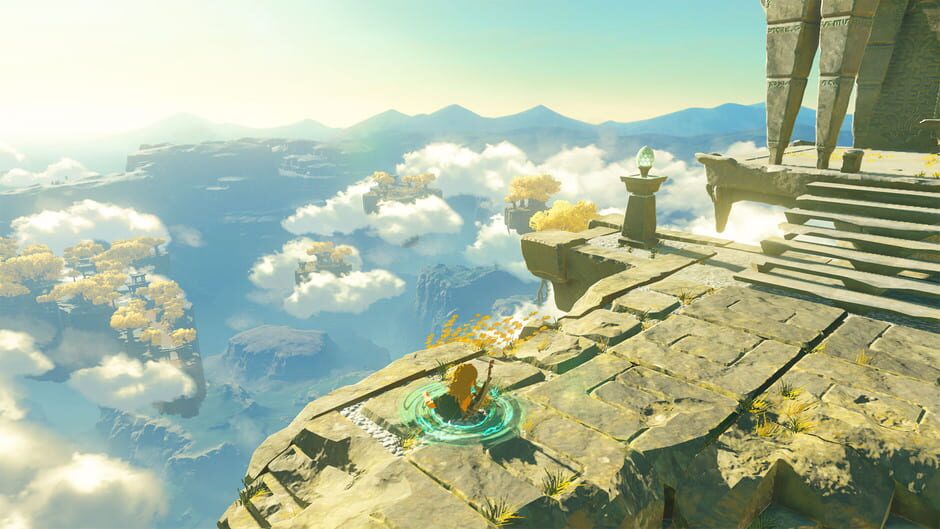
The Legend of Zelda: Tears of the Kingdom is a bold evolution of Breath of the Wild, expanding on its formula with new mechanics and a deeper world. The game introduces verticality in a big way, with a focus on climbing, gliding, and even subterranean exploration. The new crafting system allows you to combine items in creative ways, from building tools to solving puzzles. What makes it stand out is how it feels like a natural progression while retaining the spirit of its predecessor.
The story, which follows Link’s journey to save Hyrule from a new threat, is rich with secrets and surprises. The game’s challenges are more complex, with dungeons that require lateral thinking and physics-based puzzles. If you want a game that builds on its legacy without reinventing the wheel, Tears of the Kingdom is the pick. It’s a love letter to fans and a testament to Nintendo’s ability to innovate within its own framework.
These games represent the best of single-player experiences, each offering something unique to players who value depth, creativity, and immersion. Whether you’re revisiting a classic or diving into a modern masterpiece, the journey is always worth taking. So grab your controller, your keyboard, or your stylus - these are the games that define why single-player gaming remains an art form.