Mattel Electronics
Mattel Electronics was a subsidiary of toy-maker Mattel, founded in 1977. They were responsible for designing and manufacturing Mattel's video game console and all-around entertainment system, Intellivision. Additionally, they developed video games for both their own and the competitors' gaming platforms. Mattel Electronics introduced Intellivision to the market in 1979, Fresno, California. Thanks to smart advertising and technical superiority against Atari's 2600 console, the unit sold well in the following years. The success determined Mattel to produce different peripherals for Intellivision, such as the keyboard and the entertainment computer system (ECS). To expand their game library, Mattel Electronics hired various programmers, designers, artists to develop new titles. By 1982, the division numbered over 100 employees. In 1982, the staff numbers increased from 100 to 1000. This was all short-lived, as the company recorded $394 million in losses by 1983. This decline was determined by various causes: the emergence of a new competitor console, Colecovision, sporting similar technical capabilities to Intellivision; diminished sales for the system in 1983, coupled with increased expenses for the production of new titles; the saturation of the market with new games etc. As a result, by 1984 Mattel closed or sold off all its non-toy-related subsidiaries. Mattel Electronics was laid to rest on the January 20th, 1984. In January 1984, 2 weeks after the January CES, the rights to the Intellivision and games were purchased by INTV Corp., which was started by the former marketing VP of Mattel Electronics, Terry Valeski. Game development and publishing continued until INTV's bankruptcy in 1990, and the Intellivision rights were sold by Mr. Valeski to Ultimatte Corp. in 1997. Ultimatte then licensed all rights to Intellivision Productions.
Mattel Electronics at a Glance
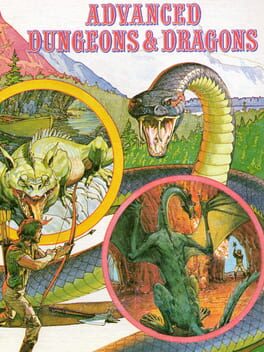
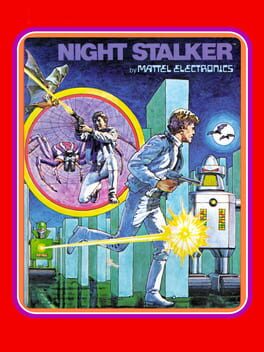
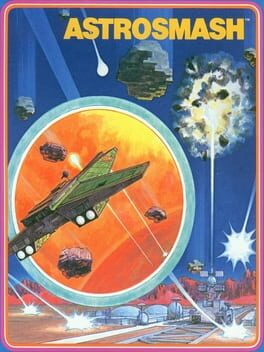
If you are browsing PlayPile looking for a publisher with deep roots in American gaming history, Mattel Electronics is a company defined by a massive early peak followed by an abrupt end. Founded in 1977 as a subsidiary of the toy maker Mattel, this developer released 58 games across their lifespan. Their output was heavily concentrated in the 1980s with 45 titles, while they only managed nine releases in the 1970s and a single game each in the 2010s and 2020s. The vast majority of their library belongs to the Intellivision platform, which accounts for 48 of their total games. They also released content for the Atari 2600, handheld LCD devices, and later platforms like Xbox 360 and PC, but these represent a tiny fraction of their work. Their genre focus was broad but leaned heavily into arcade action. Arcade titles made up 26 of their catalog, followed by shooters and sports games with 15 entries each. You will also find strategy, simulator, and puzzle games in their collection. In terms of quality, the ratings for their 14 reviewed titles show a generally positive trend. The average score sits at 66.3 out of 100, with one title rated as great and ten others falling into the good category. None of their listed works dropped into the poor range. Their highest-rated game is Advanced Dungeons & Dragons Cartridge from 1982 with a score of 88.4. Other notable entries include Astrosmash, Night Stalker, Utopia, and Frog Bog, all released between 1981 and 1982. The company's story changed drastically after the mid-1980s. Mattel Electronics grew rapidly to over 1,000 employees by 1982 as they expanded their library and added peripherals like the keyboard and entertainment computer system. This growth proved unsustainable. The division suffered massive financial losses of $394 million by 1983 due to new competition, falling sales, and market saturation. As a result, Mattel closed or sold off its non-toy subsidiaries in 1984. The original company ceased operations in January 1984, though the rights to their games were later purchased by INTV Corp. This shift ended the original era of development, leaving the bulk of their catalog as relics from a brief but productive window in the late 1970s and early 1980s.
Genre Breakdown
Platform Spread
Release Timeline
Rating Distribution
Highest Rated Titles

Hot Wheels: Race Off+

Electronic Football
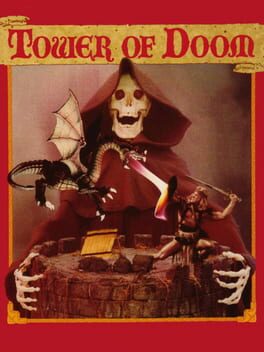
Tower of Doom
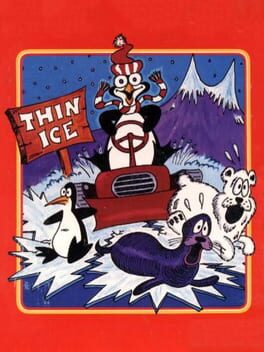
Thin Ice
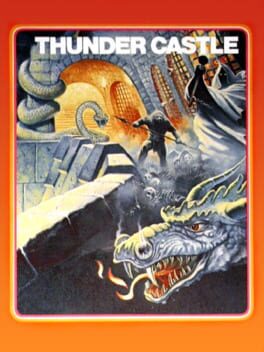
Thunder Castle
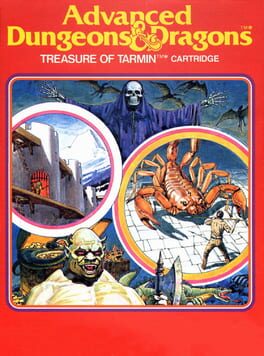
 6.0
6.0Advanced Dungeons & Dragons: Treasure of Tarmin
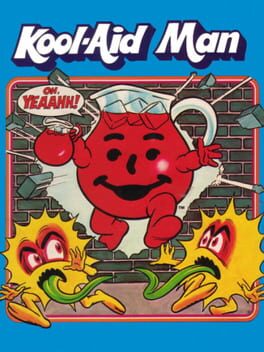
Kool-Aid Man
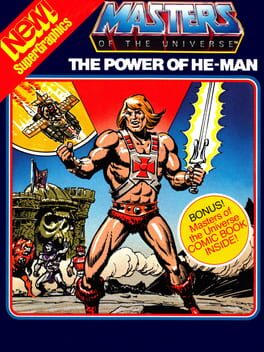
Masters of the Universe: The Power of He-Man
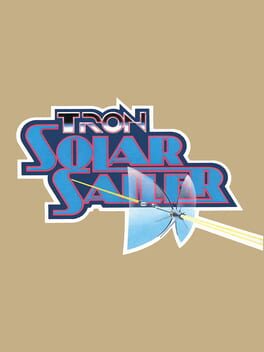
Tron: Solar Sailer
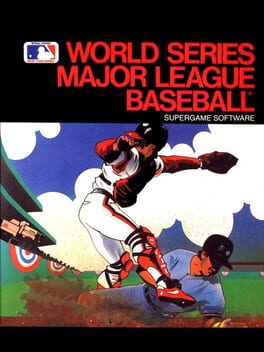
World Series Major League Baseball
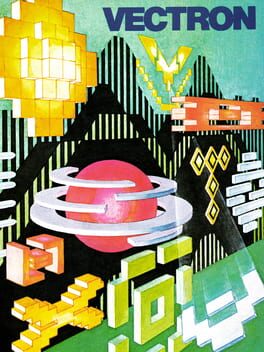
Vectron
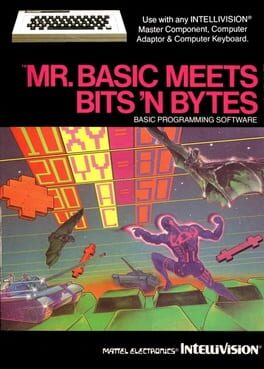
Mr. BASIC Meets Bits 'N Bytes
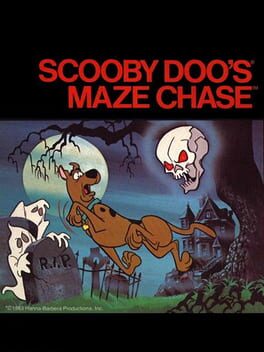
Scooby Doo's Maze Chase
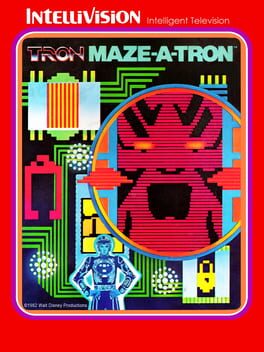
Tron: Maze-A-Tron
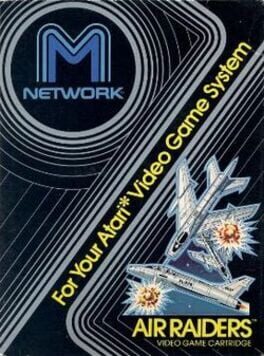 6.2
6.2Air Raiders

B-17 Bomber
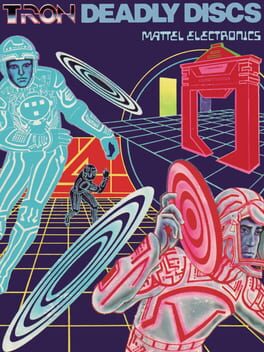
Tron: Deadly Discs

Buzz Bombers
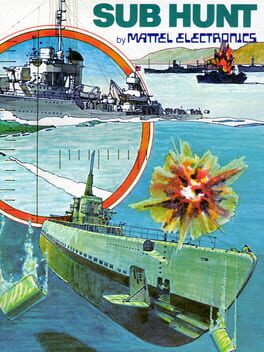
Sub Hunt
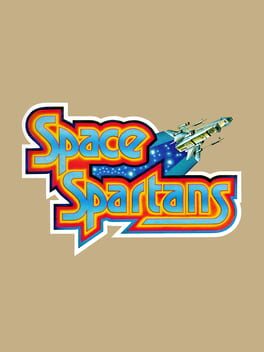
Space Spartans

Shark! Shark!
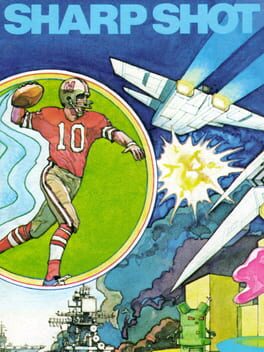
Sharp Shot

Bomb Squad
 8.8
8.8Advanced Dungeons & Dragons Cartridge
 7.2
7.2Utopia
 7.0
7.0Frog Bog
 7.8
7.8Night Stalker
 6.0
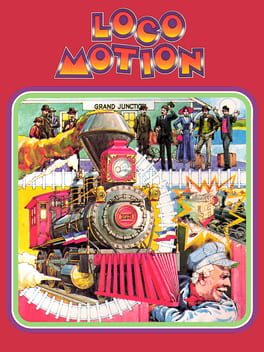
6.0Loco-Motion
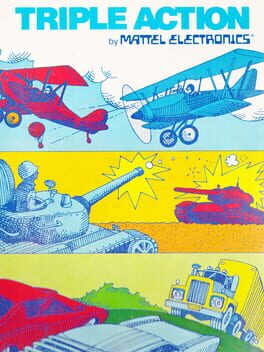
Triple Action
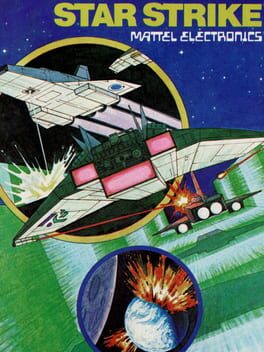 4.0
4.0Star Strike
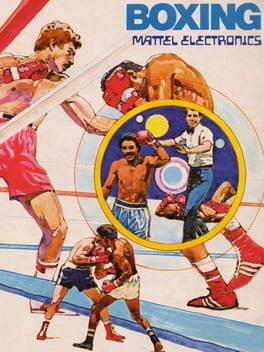
Boxing
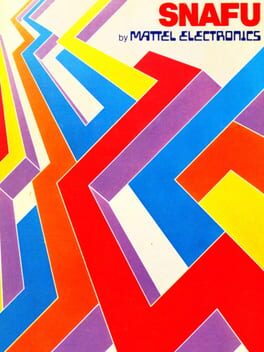
Snafu
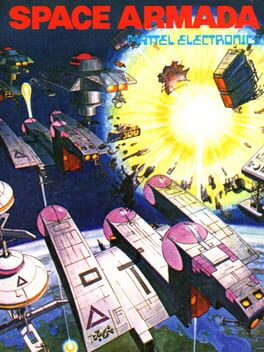
Space Armada
 7.9
7.9Astrosmash
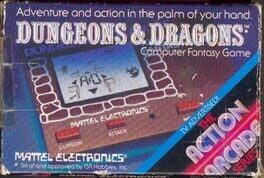
Dungeons & Dragons Computer Fantasy Game
 6.2
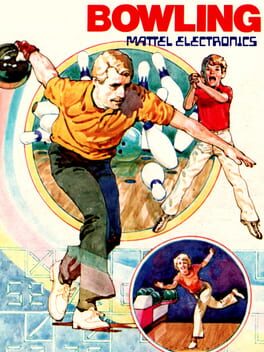
6.2PBA Bowling

Reversi
 5.8
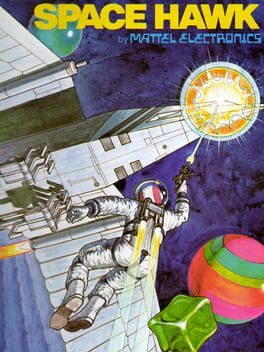
5.8Space Hawk
 7.0
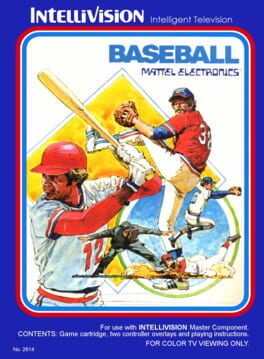
7.0Major League Baseball
 6.8
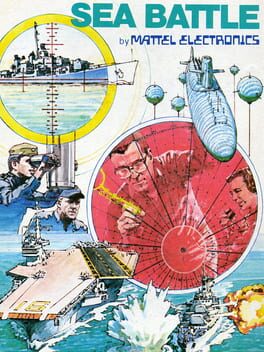
6.8Sea Battle

Skiing

PGA Golf
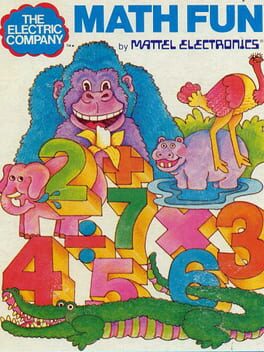
The Electric Company Math Fun

Auto Racing
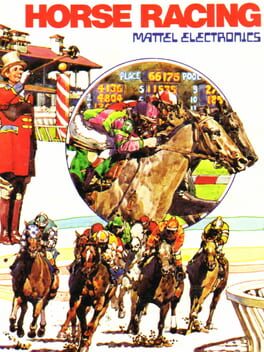
Horse Racing
 5.4
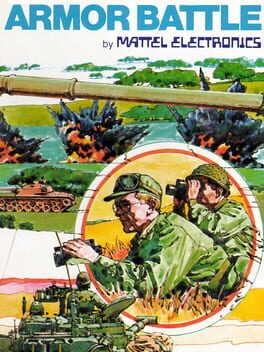
5.4Armor Battle
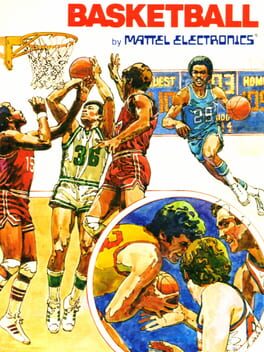
Basketball